Chef
Gastronomy · Around 4 hours
The market, the bars and the dishes locals keep to themselves.
The experience
A morning that follows a Valencian chef through their own city: the stalls they buy from at the Central Market, a glass of horchata with fartons, and a slow walk through the old bars, learning what to order and when.
Valencia eats differently from the rest of Spain. It has its own rice dishes, its own drink, its own mid-morning meal and a market that still supplies the city’s restaurants. A Valencia food tour with a chef is the quickest way to understand all of it: what grows in the huerta around the city, what comes in from the coast that morning, and why a Valencian will drive across town for one particular bar.
You do not need a guidebook list of tapas. You need someone who knows which stall has the best salted tuna, which counter serves clóchinas only in summer, and how a Valencian orders. That is what this morning is for.
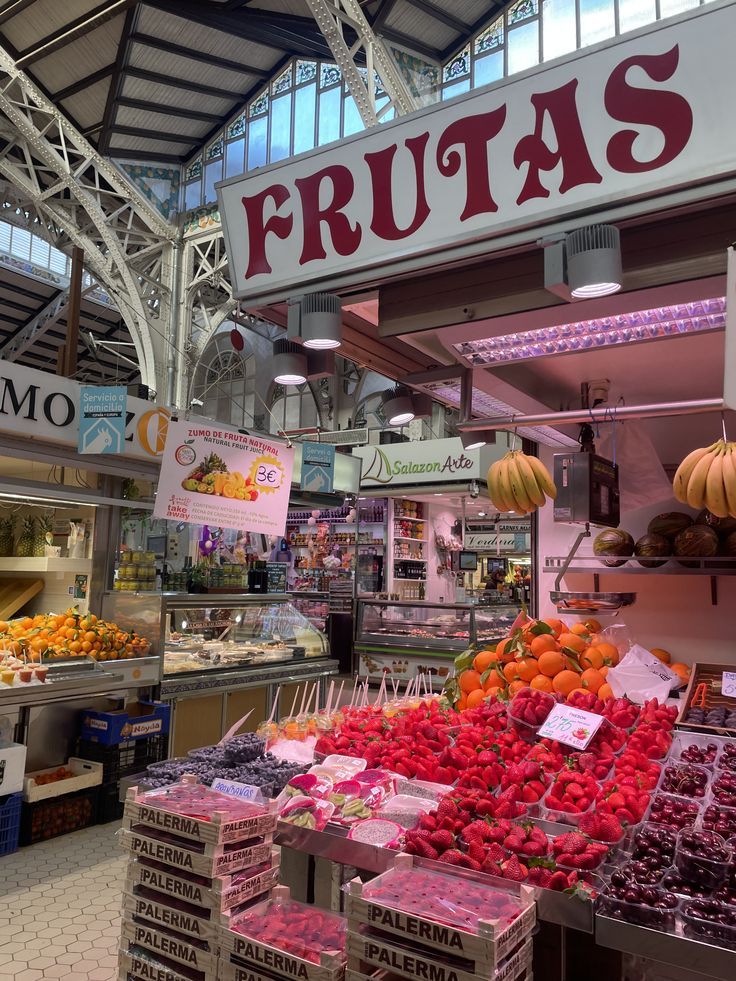
You meet your chef at the doors of the Central Market, a modernist hall of iron, glass and ceramic tile with several hundred stalls under one roof. They walk you through it the way they shop: the vegetables of the huerta, the fish and shellfish counters, the cured meats and cheeses, the stalls of salted fish and pickles, the citrus. You taste as you go and meet the stallholders the chef has known for years. If the morning calls for it, you stop for a bite at Central Bar, Ricard Camarena’s counter inside the market, where the small plates are made with what the surrounding stalls are selling.
Depending on the season, that might mean tomatoes from the huerta, artichokes, red prawns, or the first oranges of winter.
Next, a stop for horchata at one of the historic horchaterías of the old town, such as Horchatería Santa Catalina or Horchatería El Siglo, which face each other a short walk from the market. Horchata is the cold, milky drink made from tiger nuts grown in the fields just north of the city, around Alboraya. It is served with fartons, long, soft, sugar-glazed buns made for dipping. Your chef explains how horchata is made, and why the good ones are made fresh each day.
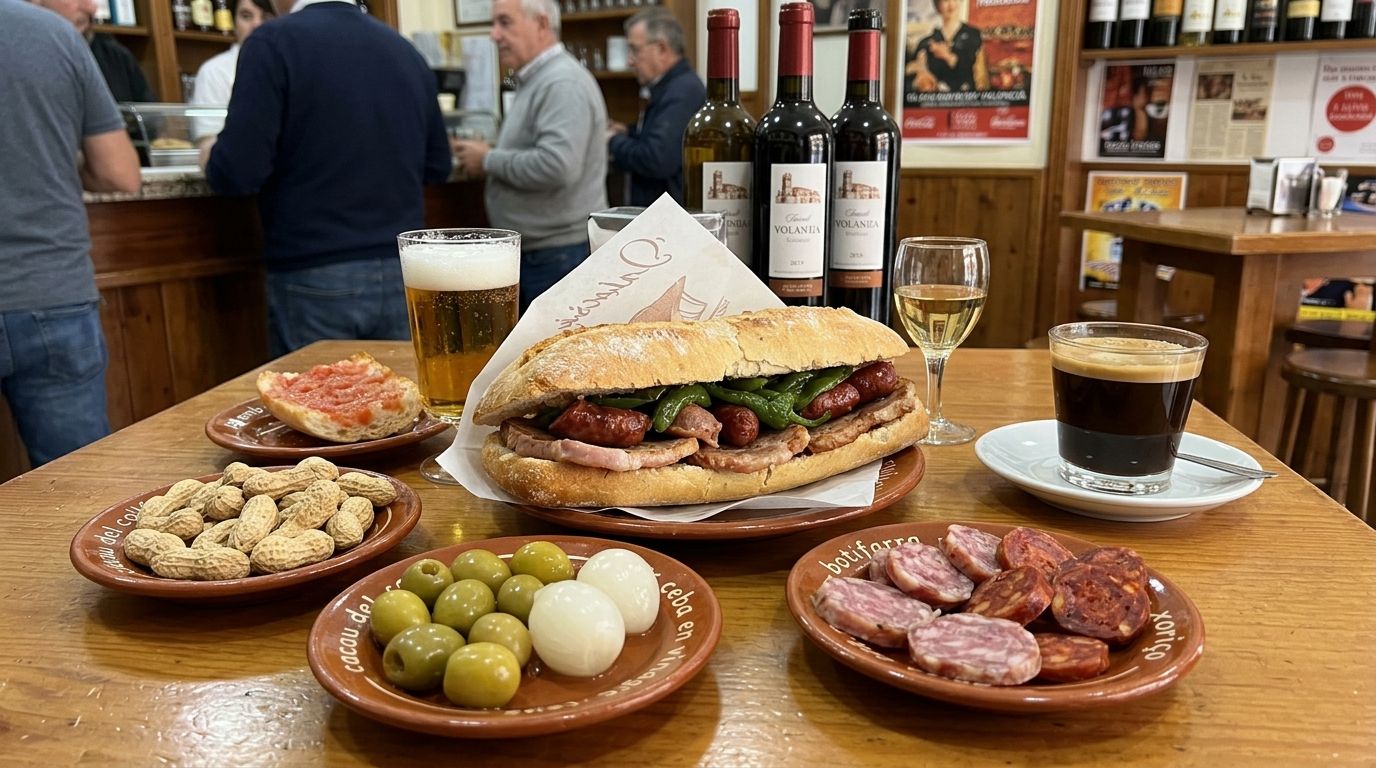
From there you walk through the old city, stopping at three or four bars chosen for one thing each. A plate of esgarraet, roasted red pepper with salt cod. Titaina, a tomato and tuna dish from the Cabanyal. Clóchinas, the small local mussels, in season. Patatas bravas the way Valencia makes them, sweet Valencian all i oli, and a glass of local wine or vermouth. The exact list depends on the day, the season and what you like.
Valencians eat at set hours. The almuerzo, a mid-morning sandwich and drink, is a ritual of its own. Lunch is the main meal, rarely before two. Rice is a lunch dish, never dinner. Your chef will give you a short list of what to order in the days that follow, and where: an almuerzo at Bodega La Pascuala or a glass of wine at Casa Montaña, both in El Cabanyal, Sunday rice by the sea at Casa Carmela or La Pepica, and horchata where it is grown, at Horchatería Daniel in Alboraya.
Travelers who think about a city through its food. Couples on their first day in Valencia, who want to know where to eat for the rest of the stay. Families with curious children, who usually love the market and the fartons. Small private groups of friends, for whom the bar stops become a long, sociable lunch.
The food tour pairs naturally with a private tour of Valencia on the same or the following day, and with the paella class in El Palmar, where you see rice cooked where it is grown. It is part of Valencia in 4 days, and your Private Valencia travel designer can place it wherever it fits your stay. Our guide to the best restaurants in Valencia picks up where the tour leaves off.
Local Heroes
Journeys that include it

For first-time visitors
Pairs well with
From the journal
FAQ
Rice above all: paella valenciana, arroz a banda, arroz negro and all-i-pebre, an eel stew from the Albufera. Also horchata, seafood from the coast, the vegetables of the huerta and citrus. On a food tour you taste the dishes that are hard to find outside the region.
Yes. Between the market and the bars you eat the equivalent of a long lunch, in small portions. Come hungry and plan a light dinner.
Yes, with notice. Vegetarian, pescatarian, gluten-free and most allergies can be planned for. Tell your travel designer when you enquire so the chef can choose the stops accordingly.
The Central Market opens in the morning from Monday to Saturday and is closed on Sundays and public holidays. It is at its best before midday.
Paella is a lunch dish cooked to order, and the best one is made in the rice fields. We usually suggest the paella class in El Palmar on another day, and keep this tour for the market and the bars.
Private Valencia
Tell us who you are travelling with and what moves you. Your Private Valencia travel designer will come back with a first proposal, written for you alone.