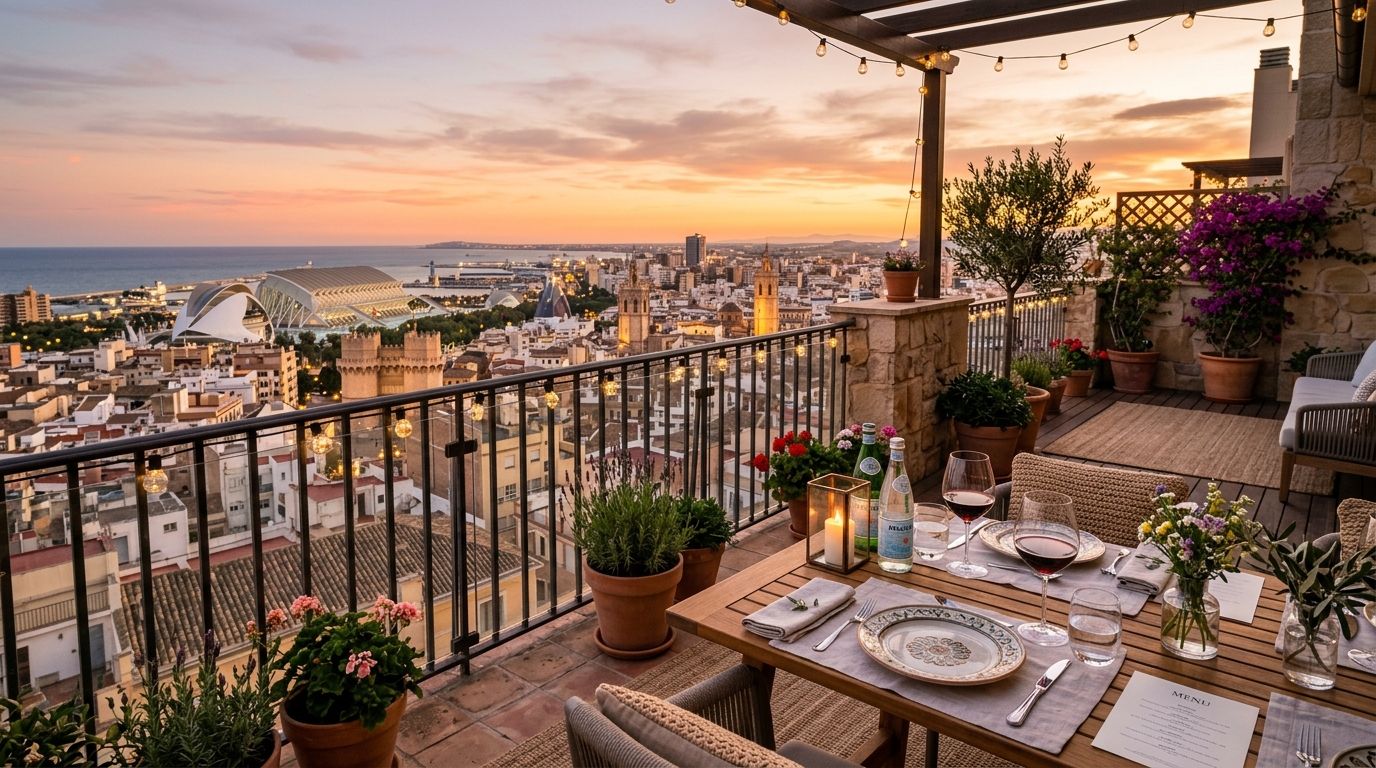
Valencia vs Barcelona is a question we hear often, usually from travelers who have been to Barcelona already, or who are wondering whether they should go there at all. The honest answer is that both are wonderful Mediterranean cities, and they are very different. Barcelona is a world capital of art and architecture, bigger, busier and more cosmopolitan. Valencia is smaller, calmer and more local, with a stronger pull toward the table, the countryside and the sea.
We live in Valencia, so we are not neutral. But we have tried to be fair, and there are travelers for whom Barcelona is the better choice. Here is how the two compare.
At a glance
| Valencia | Barcelona | |
|---|---|---|
| City population | About 800,000 | About 1.6 million |
| Feel | Relaxed, local, unhurried | Dynamic, cosmopolitan, intense |
| Visitor numbers | Busy in summer and during the Fallas | Busy almost all year |
| Signature food | Paella and rice dishes, horchata | Tapas, Catalan cooking, fine dining |
| Signature sights | Old town, La Lonja, City of Arts and Sciences | Gaudí, the Gothic Quarter, the Picasso Museum |
| Beaches | Long, wide sandy beaches close to the center | City beaches, busier and narrower |
| Nearby | Rice fields, vineyards, the Costa Blanca | Montserrat, the Penedès, the Costa Brava |
| High-speed train between them | About 3 hours | About 3 hours |
Size and pace
Barcelona is roughly twice the size of Valencia, and it feels it. It is a great international city, with the energy, nightlife and range that comes with that. Its neighborhoods are each a small world, and you could spend a week there and barely scratch the surface.
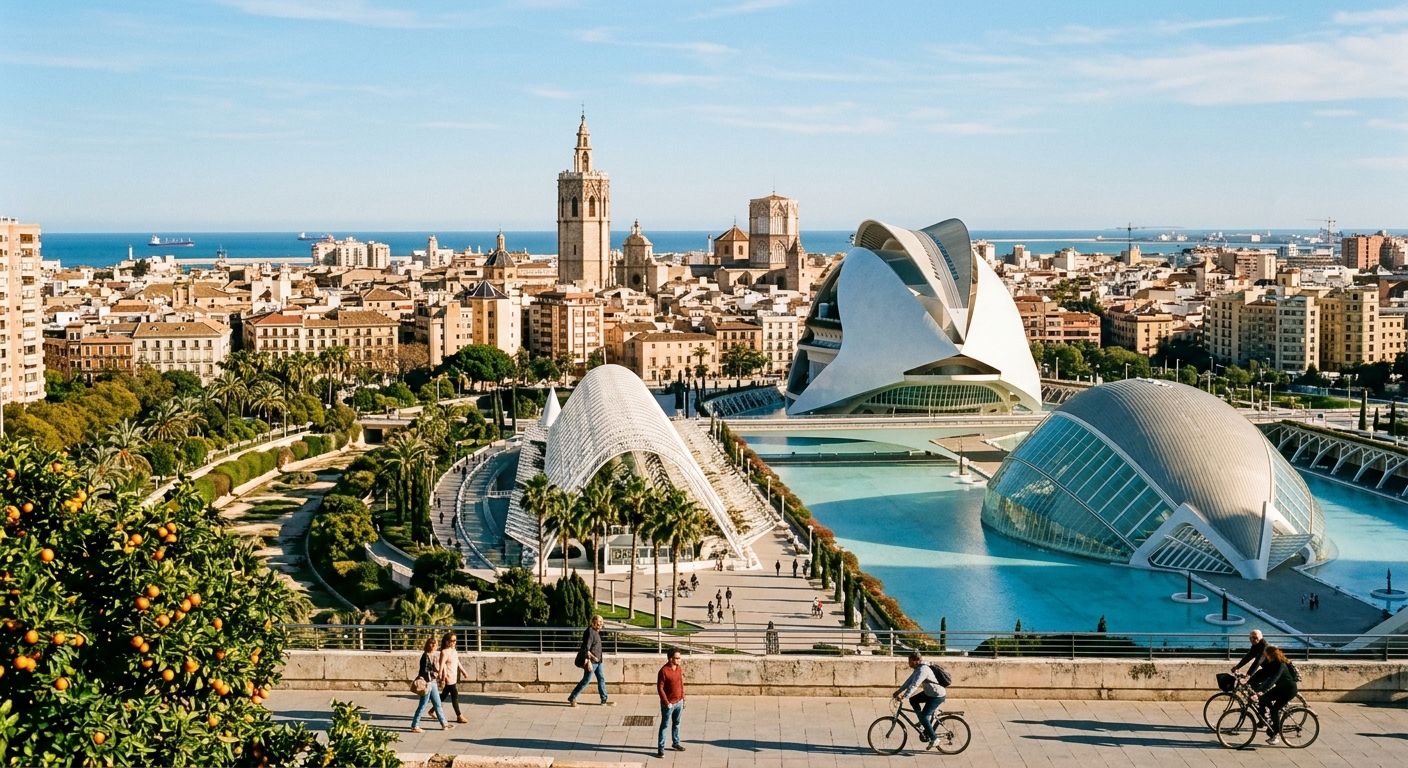
Valencia is compact. The old town, the Central Market, the Turia gardens and the City of Arts and Sciences are connected by a single green corridor, and the beach is a short ride away. Life moves more slowly. Lunches are long, afternoons are quiet, and the city empties onto the seafront in the evening. For many visitors, this is the main attraction.
Crowds
This is the clearest difference. Barcelona is one of the most visited cities in Europe, and in recent years it has struggled with overtourism, especially in the Gothic Quarter, on the Rambla and around the Sagrada Família. Booking timed tickets weeks in advance has become normal for its main sights.
Valencia receives far fewer visitors. The old town can be busy on summer weekends, and the Fallas in March transforms the city completely, but for most of the year you can walk into the cathedral, sit down in a market bar or stroll through the Silk Exchange without a queue.
Food
Both cities eat very well, in different ways.
Barcelona’s strength is range and invention. It is one of the cities that shaped modern Spanish cuisine, with a celebrated fine-dining scene, Catalan classics, superb tapas bars and the Boqueria market.
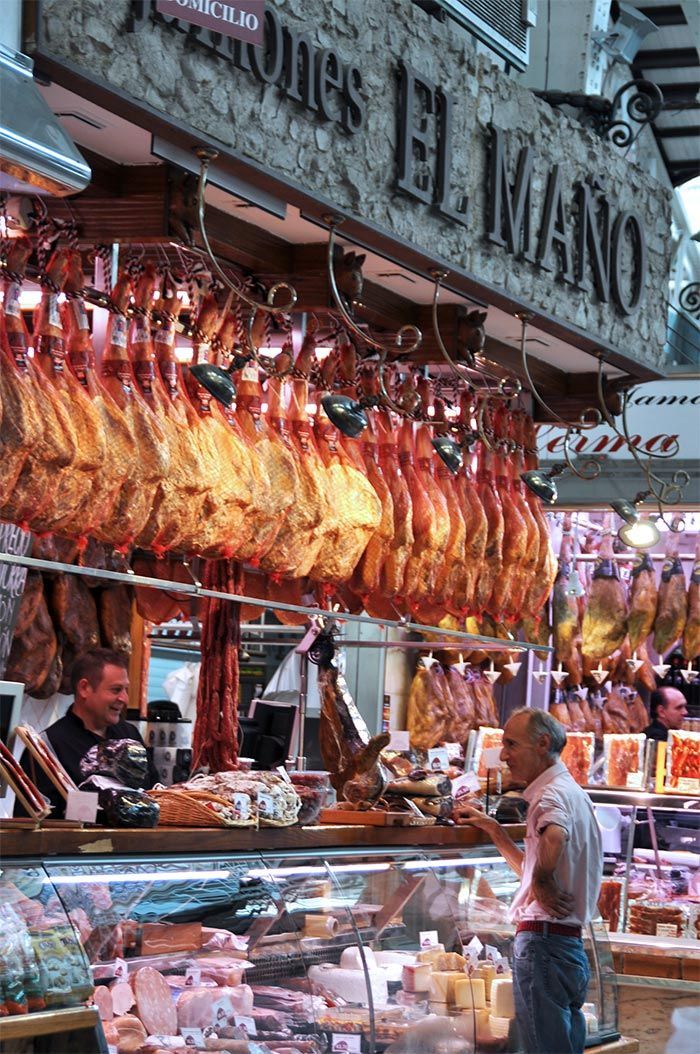
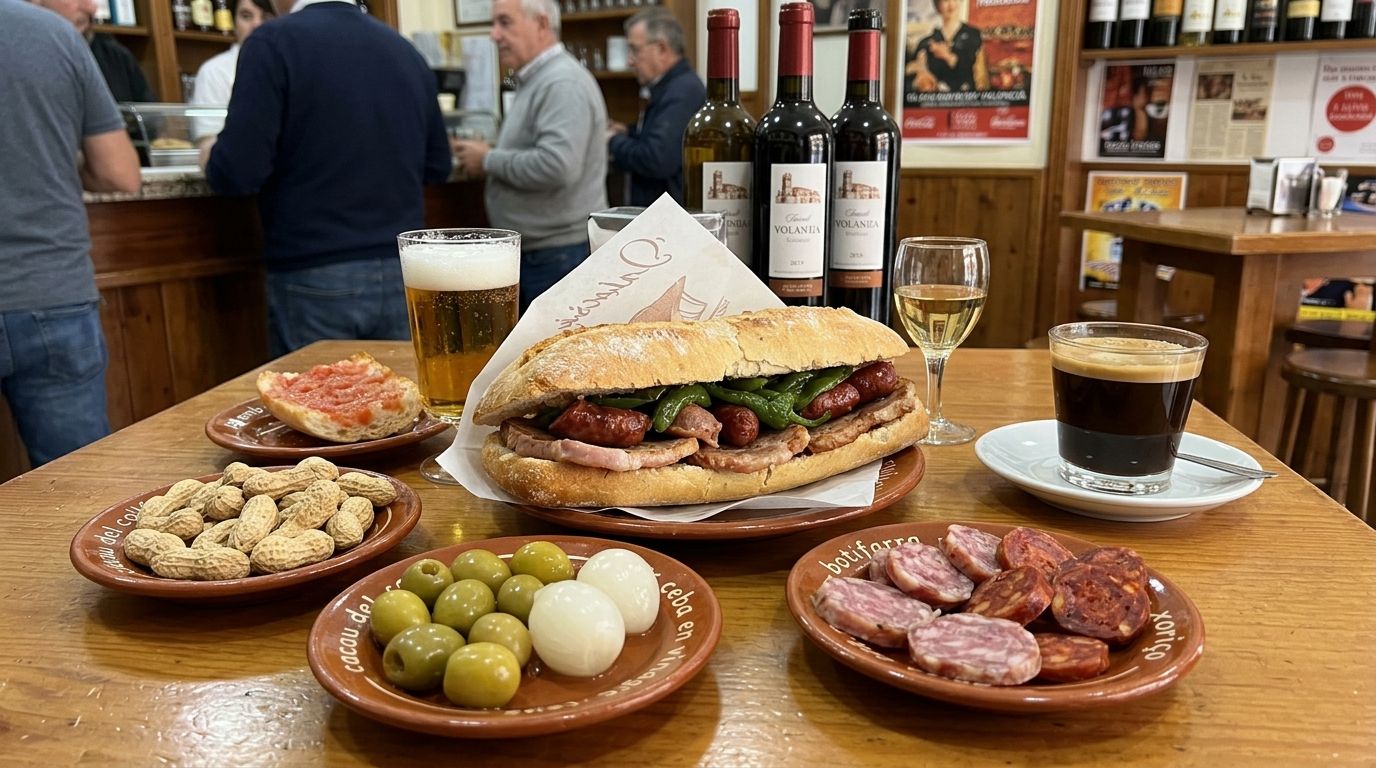
Valencia’s strength is roots. This is the home of paella and of dozens of other rice dishes, cooked with rice from the Albufera, vegetables from the farmland around the city and fish from the Gulf of Valencia. The Central Market is one of Europe’s finest food markets, and the city’s chefs have built a fast-growing fine-dining scene on that produce, led by Michelin-starred kitchens such as Ricard Camarena Restaurant and Quique Dacosta’s El Poblet. At the other end of the scale, a paella by the sea at Casa Carmela or an almuerzo at Bodega La Pascuala is a meal you will not find in Barcelona. Prices for comparable meals are often gentler.
If food is a reason you travel, both will reward you. If you want to understand where a cuisine comes from, from the field to the pan, Valencia is closer to the source. Our private food tour and our guide to the best restaurants in Valencia are good places to start.
Beaches
Barcelona has city beaches, created in large part for the 1992 Olympics. They are lively and convenient, but narrow and crowded in summer.
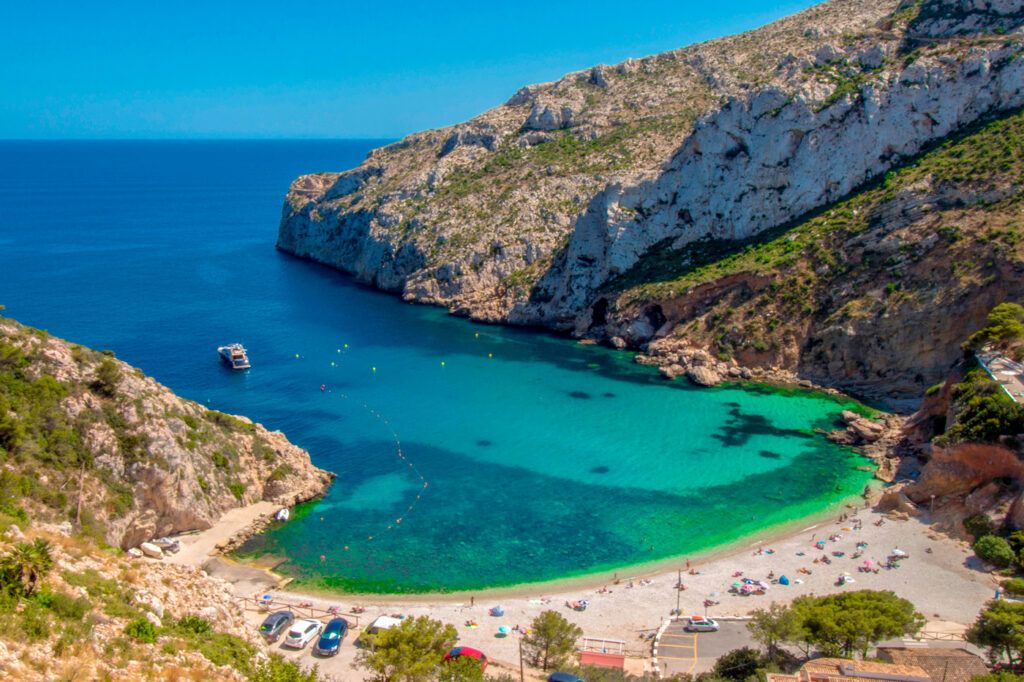
Valencia’s beaches are wider and longer. Las Arenas and La Malvarrosa run for several kilometers north of the port, and south of the city the dunes of El Saler are protected inside the Albufera Natural Park. For a beach holiday combined with a city, Valencia has the edge. For the most beautiful coves, both cities look further afield: Barcelona to the Costa Brava, Valencia to the Costa Blanca.
Culture and architecture
Here, Barcelona leads. Gaudí’s Sagrada Família, Park Güell and Casa Batlló, the Gothic Quarter, the Picasso Museum, the Miró Foundation and the Palau de la Música Catalana make it one of the great cultural cities of Europe.
Valencia’s cultural offer is smaller but more than enough for a few days: a Gothic cathedral with a chalice venerated as the Holy Grail, the Silk Exchange (a UNESCO World Heritage Site), a fine museum of Valencian painting, the modernist Central and Colón markets, and the futuristic City of Arts and Sciences. It also has living traditions that Barcelona does not, from the Water Tribunal that meets every Thursday outside the cathedral to the Fallas. A private guide brings these layers to life.
Day trips
Both cities are surrounded by remarkable country.
From Barcelona, the classics are Montserrat, the wine region of the Penedès, the Roman city of Tarragona, Girona and the Costa Brava.
From Valencia, the classics are the Albufera lagoon and its rice fields, twenty minutes away, ideal at sunset on a private Albufera boat tour; the wine country of Utiel-Requena, an hour inland; and the Costa Blanca to the south, with Altea, Jávea and Dénia. Valencia’s day trips are shorter and more rural: less about monuments, more about landscape, food and wine.
Season and weather
Both cities share a Mediterranean climate. Valencia is generally a little warmer and drier, with milder winters and more sunshine. Both are hot and busy in July and August.
Spring and autumn are ideal in both. Winter tips the balance toward Valencia: it is often warm enough to eat outside at midday, and it is the season of citrus and hearty rice dishes. Barcelona’s winter is pleasant, but cooler and greyer. See the best time to visit Valencia for month-by-month detail.
Cost
Neither city is cheap at the top end, but Valencia is usually more affordable for comparable hotels and restaurants, and its luxury hotels are fewer and smaller. In Barcelona, the choice of five-star hotels is wider. Our guide to where to stay in Valencia explains the options.
Can you do both?
Yes. The high-speed train connects the two cities in around three hours, and many travelers combine them: a few days in Barcelona for its architecture and energy, then a few days in Valencia to slow down. If you do, we suggest ending in Valencia. It is the gentler place to finish a trip.
Which city suits you?
Choose Barcelona if it is your first time in Spain and you want a great cultural capital, if Gaudí and modern art are high on your list, or if you love the energy of a big international city.
Choose Valencia if you have seen Barcelona already, or if what you want most is good food at its source, space, sun and time. Choose it if you prefer a city that still belongs to its residents, where a morning at the market, a long lunch of rice and an evening by the sea make a perfect day. And choose it if you want city, countryside and coast within an hour of each other.
For travelers who want depth rather than a checklist, we think Valencia is one of the most rewarding cities in Spain. Our four-day journey is the best introduction; our five-day journey gives more time to the vineyards and the sea.
Your Private Valencia travel designer can help you decide, and if you choose both cities, shape the Valencia days so that they feel like the right ending.