Where to stay in Valencia depends less on the hotel than on the neighborhood. The city is compact, but each district has a very different character: medieval lanes, bohemian squares, grand avenues, the seafront. Choose the right one and the city falls into place around you. Choose the wrong one and you will spend your days in taxis.
This guide walks through each area, who it suits and what to look for in a hotel there. Valencia’s luxury hotels are fewer than in Madrid or Barcelona, and the best ones book early, so it helps to know what you want before you choose. We do not name hotels here; your travel designer recommends the right ones for your dates and your style.
The short answer
- First visit, two to four nights: Ciutat Vella, the old town.
- Character and nightlife: El Carmen.
- Food, design and a local feel: Ruzafa.
- Elegance and quiet: the Ensanche.
- Sea air and long walks on the beach: Las Arenas and the seafront.
- Space, privacy and a slower pace: a country estate outside the city.
Many of our guests split their stay: a few nights in the city, then a few by the sea or in the countryside.
Ciutat Vella: the old town
Who it suits
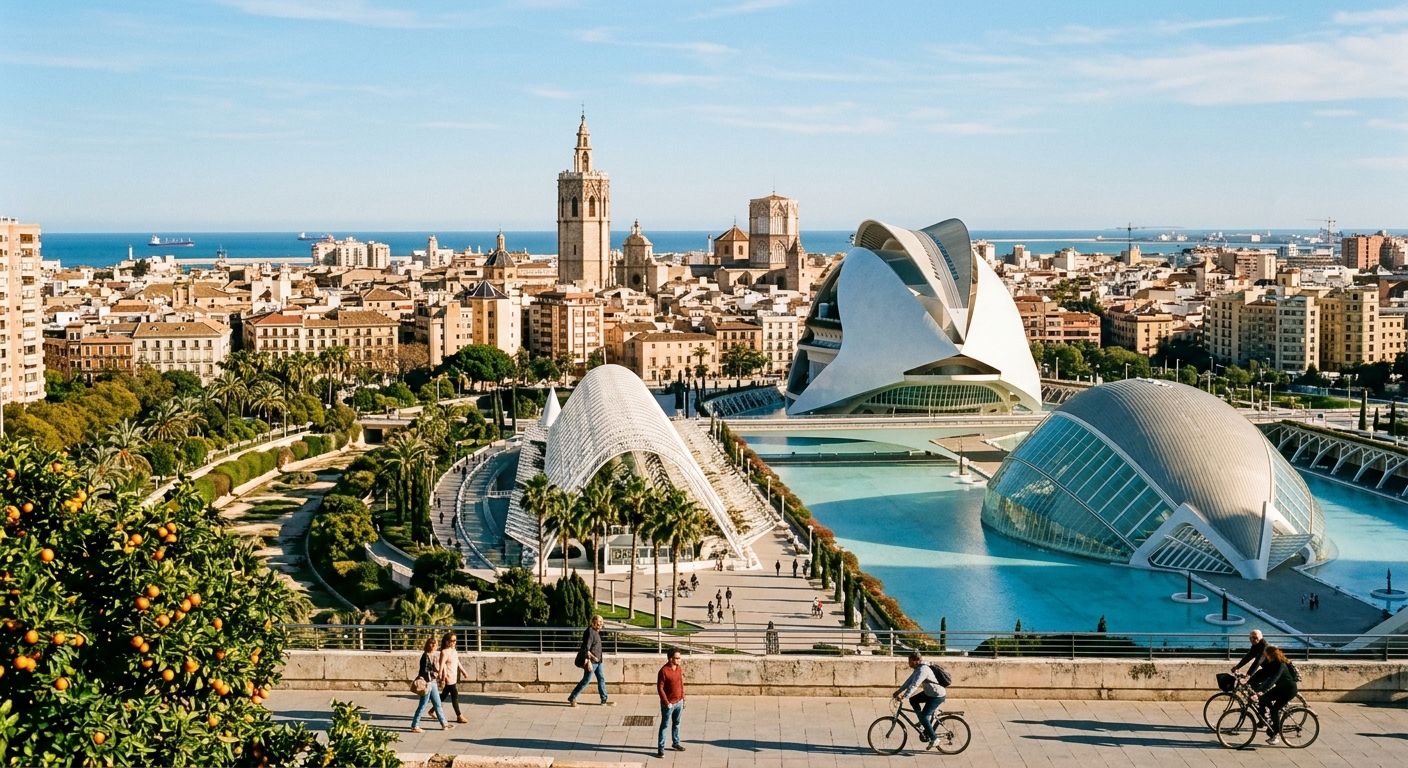
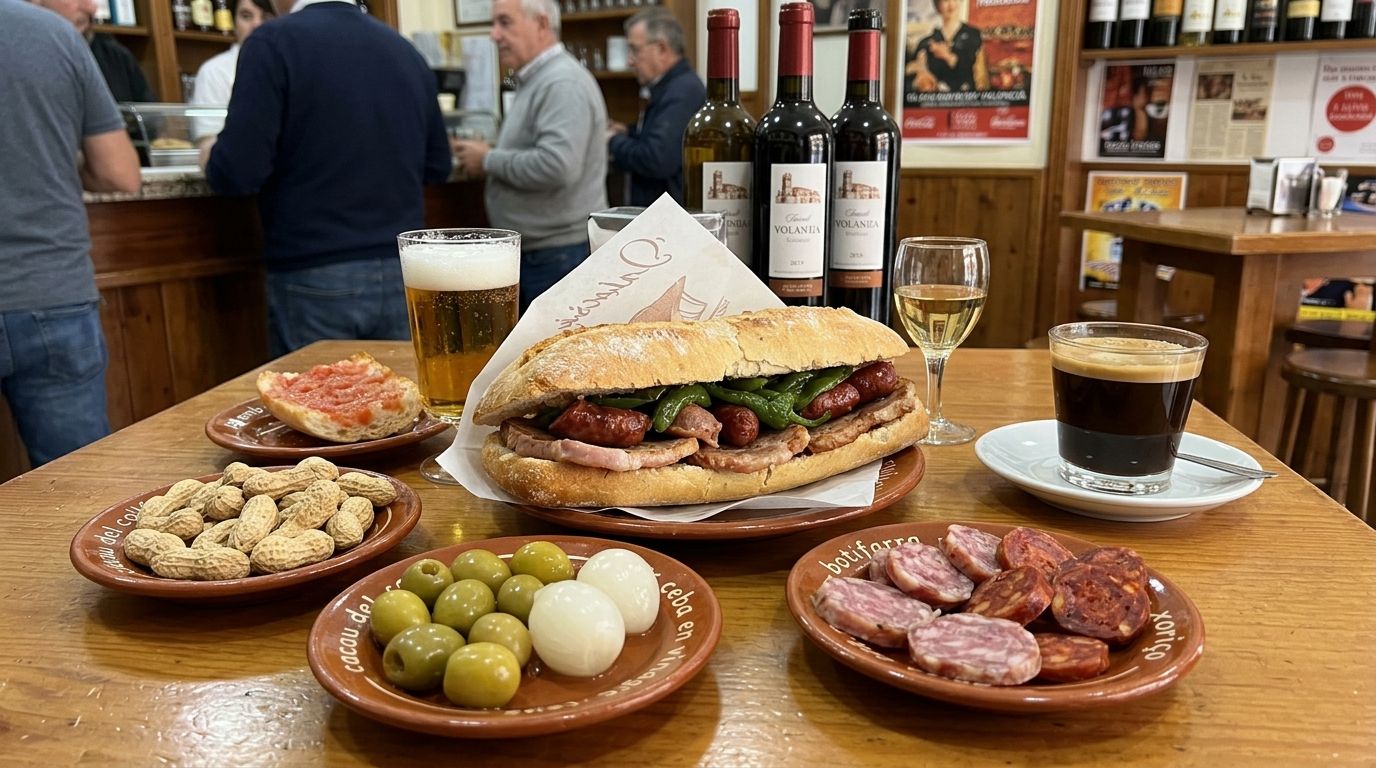
First-time visitors, couples, anyone who wants to walk everywhere. From the old town you can reach the cathedral, the Silk Exchange, the Central Market and the Turia gardens on foot, and most of the city’s best restaurants are within a short ride. Central Bar, inside the market, and the horchaterías Santa Catalina and El Siglo are a few minutes’ walk away.
What it is like
Ciutat Vella is the historic heart of Valencia, a tangle of medieval streets and squares built over the Roman and Moorish city. Mornings are calm and beautiful; evenings are lively around the main squares. The area around the Plaza de la Reina and the Plaza del Ayuntamiento is the most central and the busiest. The streets toward the Plaza de la Virgen and the cathedral are quieter in the evening.
What to look for
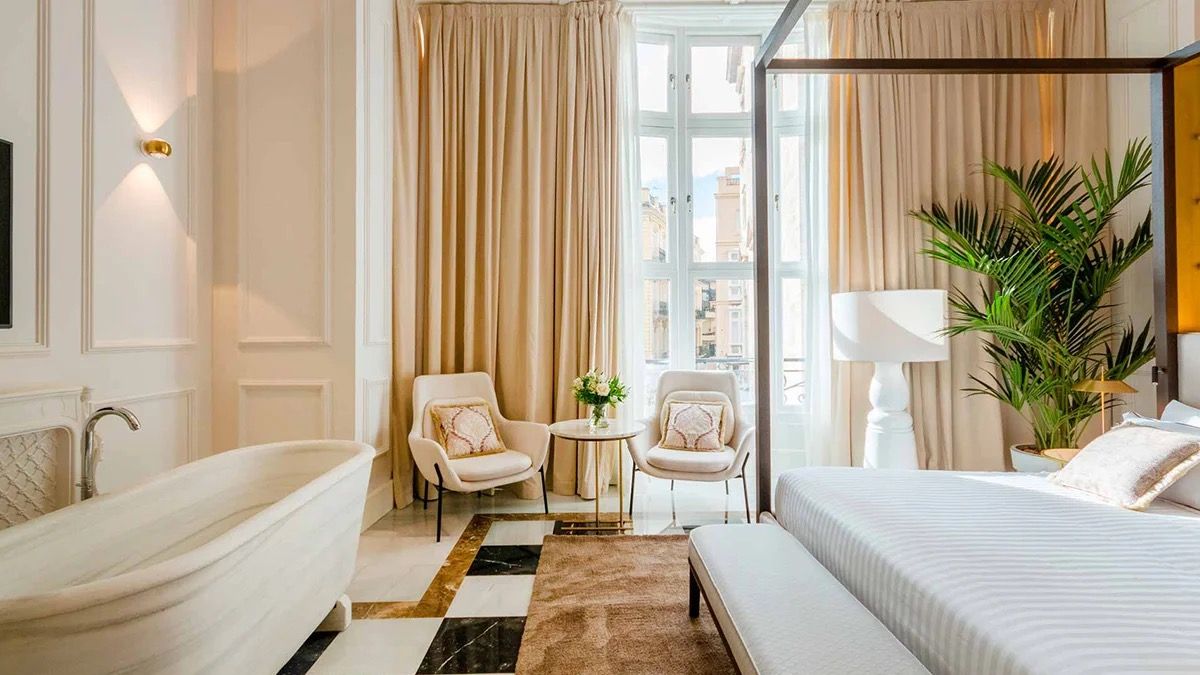
The finest hotels here are often in restored palaces and townhouses, with courtyards, high ceilings and small numbers of rooms. Ask for a room on an upper floor or facing a courtyard; the old town can be noisy at night, especially on weekends and during festivals.
Two old-town hotels that fit this description well: Caro Hotel, a palace near the cathedral with Roman and Moorish remains inside its walls, and Palacio Vallier, an 18th-century palace near the Plaza de San Lorenzo.
El Carmen: the bohemian quarter
Who it suits
Travelers who like character, street life and late evenings, and do not mind some noise.
What it is like
El Carmen is the northwestern part of the old town, between the two surviving medieval gates, the Torres de Serranos and the Torres de Quart. It has narrow streets, small squares, street art and a mix of old Valencian families, artists and students. It is close to the Turia gardens and to two of the city’s best museums, the IVAM and the Museum of Fine Arts across the river.
What to look for
Hotels here are mostly small and design-led. Check the street carefully: some corners of El Carmen are very lively until late, especially on Friday and Saturday nights.
For a luxury stay, many of our guests sleep in one of the palace hotels a few minutes away in the old town, and spend their evenings in El Carmen.
Ruzafa: food, design and local life
Who it suits
Return visitors, food lovers, and anyone who wants to feel like a resident rather than a visitor.
What it is like
Ruzafa lies just south of the old town, a ten- to fifteen-minute walk from the center. Once a working-class neighborhood, it is now the city’s most creative district, with young restaurants, wine bars, coffee roasters, galleries and independent shops around its municipal market. It is lively in the evening but feels residential by day.
What to look for
Ruzafa has fewer luxury hotels than the old town, and more apartments and small guesthouses. For a high-end stay, it is often better to sleep in the old town or the Ensanche and come here for dinner, at La Salita or Fierro for a tasting menu. For more restaurants, see our guide to the best restaurants in Valencia.
The Ensanche: elegance and quiet
Who it suits
Travelers who want calm, space and polish, families, and those staying a week or more.
What it is like
The Ensanche, or Eixample, is the 19th- and early 20th-century extension of the city, east of the old town. Its wide streets are lined with modernist buildings, the city’s luxury boutiques and some of its classic restaurants. The Colón Market, a modernist market hall converted into cafés and restaurants, including Ricard Camarena’s Habitual, is at its center. Riff and Llisa Negra are also in the neighborhood. It is a five- to ten-minute walk from the old town and close to the Turia gardens.
What to look for
Some of the city’s larger luxury hotels are here, with spas, pools and generous rooms. Streets are quieter at night than in the old town. Ask for rooms facing a garden or an inner courtyard.
Hotels to consider here include The Westin Valencia, in a historic Modernist building with a garden, and Hospes Palau de la Mar, set in two 19th-century palaces with a spa. A short walk away, by the Turia gardens, SH Valencia Palace is a contemporary five-star.
By the sea: Las Arenas and the seafront
Who it suits
Summer travelers, families, couples who want to wake up to the sea, and anyone who plans to spend time on a boat.
What it is like
Valencia’s urban beaches begin at the port and run north: Las Arenas, then La Malvarrosa. Behind them is El Cabanyal, the old fishermen’s quarter, with its low houses faced in colorful tiles and its rice restaurants, among them Casa Carmela and La Pepica, and the old tavern Casa Montaña. The marina, from where we sail, is close by. The center is about fifteen to twenty minutes away by car.
What to look for
Look for a hotel directly on the seafront, with a pool and a terrace facing the water. Outside summer, the seafront is quiet and pleasant, but most of your days will be spent in the city, so plan on a driver.
The obvious choice is Hotel Las Arenas Balneario Resort, a seafront resort with a spa on Las Arenas beach.
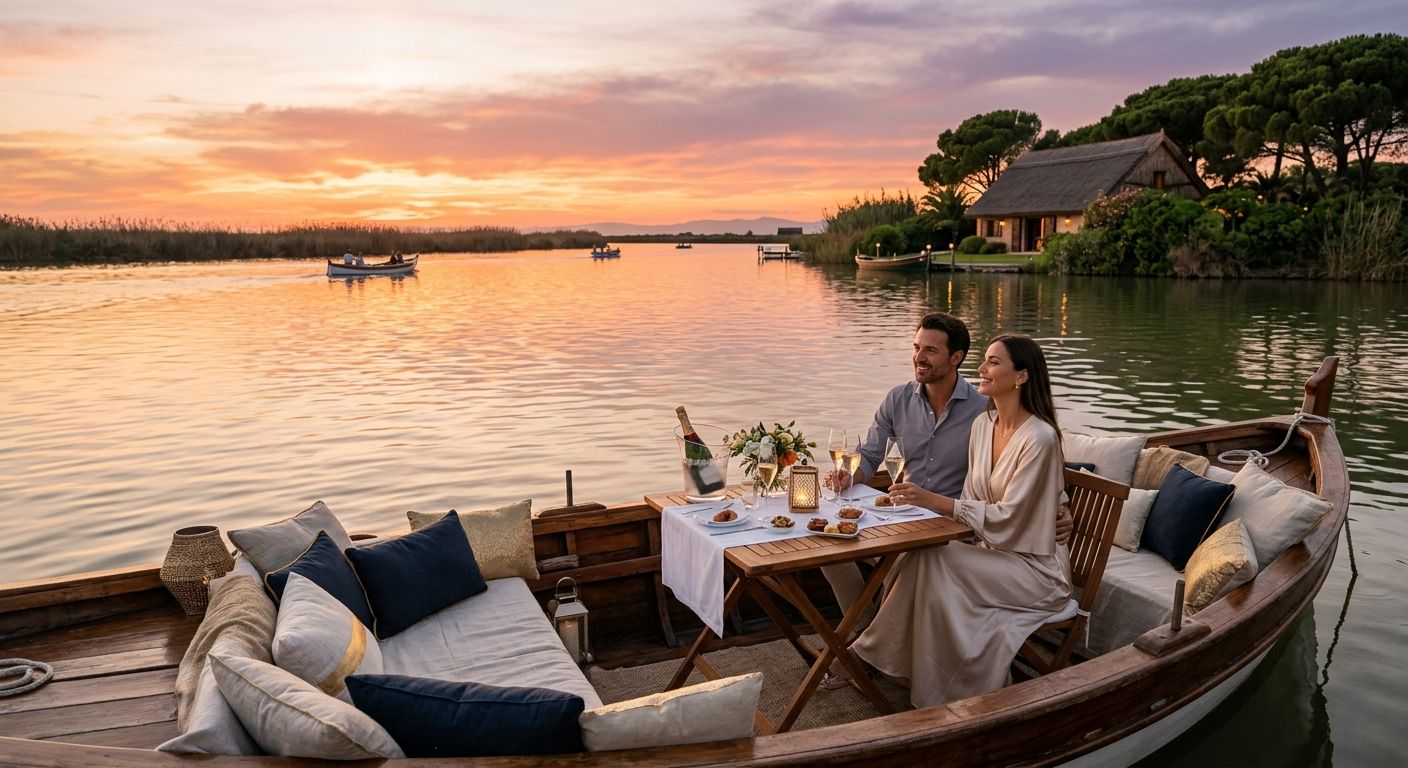
If you stay by the sea, a private boat at sunset is the obvious way to end a day.
Outside the city: country estates and the coast
Who it suits
Honeymooners, families who want space, and travelers who have seen the city and want to slow down.
What it is like
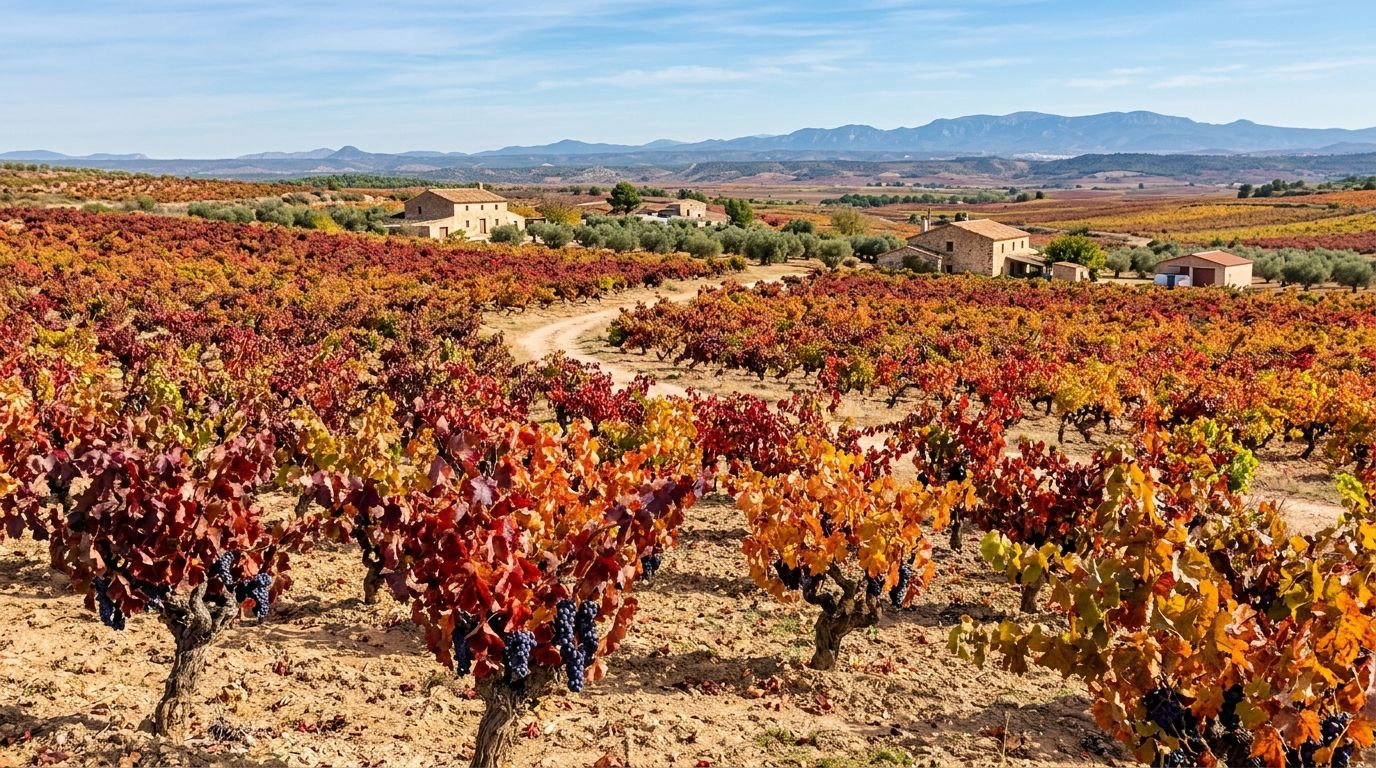
Around Valencia are country houses set among orange groves, olive trees and vineyards, and boutique hotels on the Costa Blanca. Inland, the wine region of Utiel-Requena is about an hour away; to the south, the coast around Jávea, Dénia and Altea offers cliffs, coves and small luxury hotels.
What to look for
Privacy, a good kitchen and a driver. Countryside stays work best as the second half of a trip, after a few nights in the city. Our Valencia honeymoon often ends this way.
Inland, Mas de Canicattí in Vilamarxant is a country estate among orange groves, a short drive from the city. On the Costa Blanca, SH Villa Gadea in Altea is a seafront hotel and spa, and Asia Gardens Hotel & Thai Spa in Finestrat is a resort set in gardens.
How to choose a luxury hotel in Valencia
Location before stars
A beautiful hotel in the wrong place will cost you time every day. For most guests, a central location in the old town or the Ensanche matters more than a long list of facilities.
Size and character
Valencia’s finest stays are often small: restored palaces and townhouses with a few dozen rooms or fewer. They offer quiet, personal service and a sense of place. Larger hotels offer spas, pools and space for families.
Noise and festivals
The old town and El Carmen can be noisy on weekend nights. During the Fallas in March, the whole city is loud from morning to the early hours, and hotels near the main square book out far in advance. If you are coming for the festival, read our Fallas guide first.
Season
From October to May, prices are gentler and the city is calm. Summer brings heat and visitors, which is when a pool or a seafront hotel makes the most sense. See the best time to visit Valencia for more.
How we choose for you
When we design a journey, the hotel is chosen around the days: close to the market if you love food, by the sea if you want to sail, in the countryside if you need quiet. Our four-day journey usually begins in the old town, with a private guide to open the city on the first morning.
Your Private Valencia travel designer will suggest two or three hotels that fit, explain the difference between them and handle the details, from the room to the arrival.