Ask ten Valencians for the best restaurants in Valencia and you will get ten different lists, and at least one argument about paella. That is the point. In this city, eating well is less about a famous name than about knowing where to go, when to sit down and what to order. This guide explains how Valencians eat, so that wherever you end up, you eat like one.
This guide names the places we book most often for our guests, sorted by the kind of meal you want: a tasting menu, a chef’s casual table, rice, a tavern, a glass of horchata. Kitchens change, chefs move and distinctions are revised every year, so your travel designer confirms each table for your dates before suggesting it.
How Valencians eat
The rhythm of the day
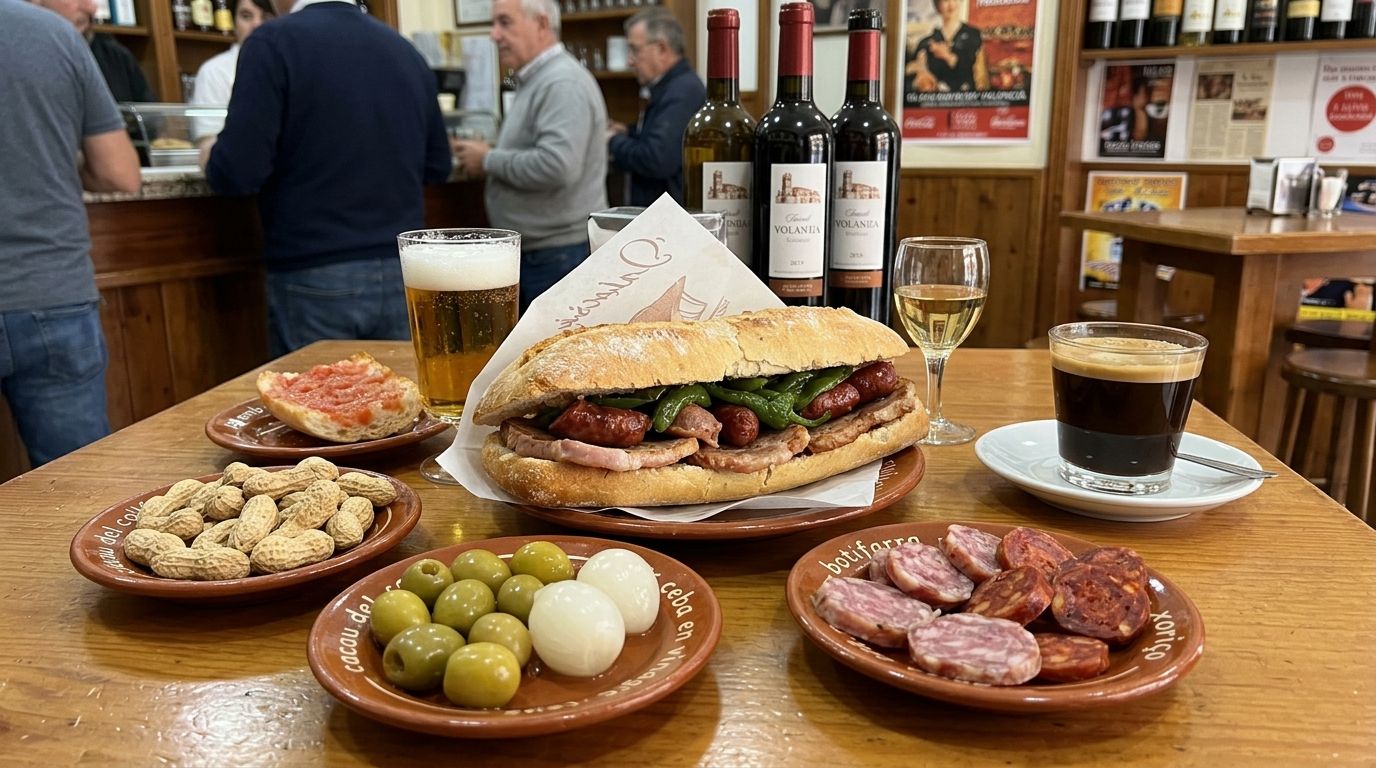
Valencia runs on a later clock than most visitors expect. Breakfast is light and early. Mid-morning, many locals stop for esmorzaret, a hearty sandwich with a beer or a coffee, a ritual that has become a small cult of its own. Lunch is the main meal and starts around two. Dinner begins at nine or later, and on weekends kitchens are full at ten.
If you sit down at seven, you will eat alone, often in a room set up for visitors. Shift your day by an hour or two and the city opens up.
Rice at lunch, never at dinner
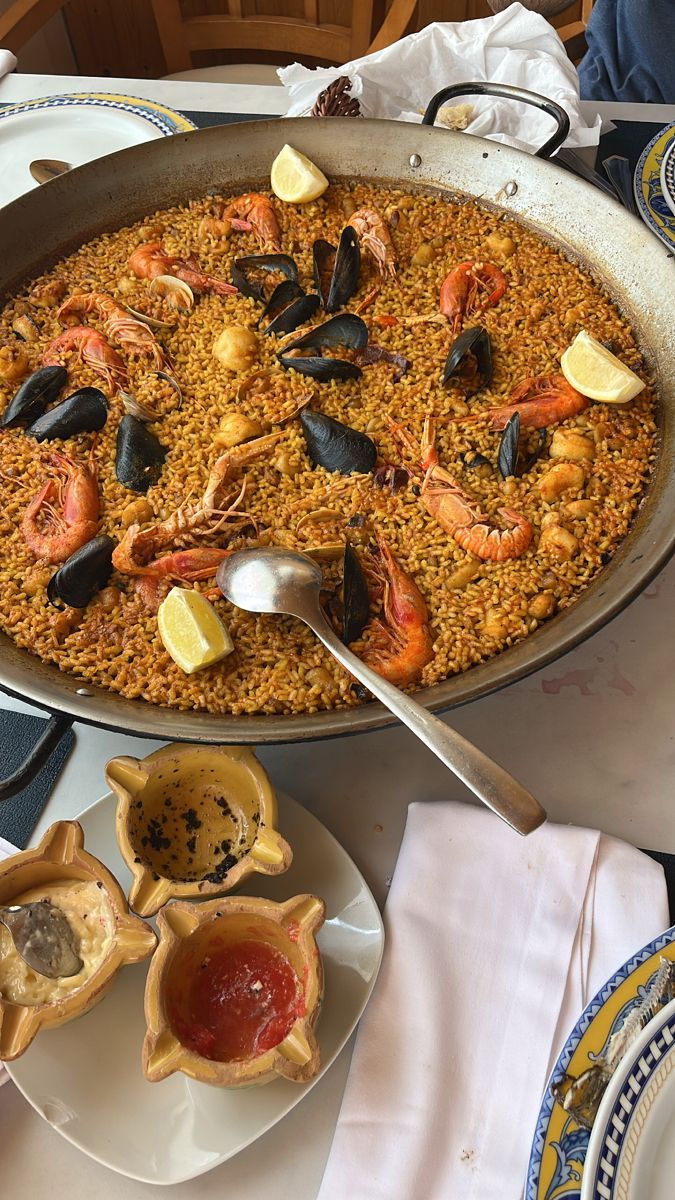
The single most important rule: Valencians eat rice at midday. A paella is a lunch dish, often a Sunday one, shared from the pan by family or friends. A restaurant that serves paella at nine in the evening is usually cooking for visitors. There are exceptions, but they prove the rule.
Seasons matter
Valencian cooking follows the farmland around the city, L’Horta, and the sea. Artichokes arrive in winter, tomatoes in summer, citrus from late autumn; clóchinas, the small local mussels, are a summer treat. A good restaurant changes its menu with the market. A menu that never changes is a warning sign.
The best restaurants in Valencia, by kind of meal
Fine dining: the tasting menus
Valencia has become one of Spain’s most interesting cities for fine dining, and its best chefs build their menus on the produce of L’Horta, the rice of the Albufera and the fish of the Gulf of Valencia. All of the restaurants below were Michelin-starred at the time of writing.
- Ricard Camarena Restaurant. Ricard Camarena’s flagship, in the Bombas Gens arts center in Marxalenes, north of the old town. The tasting menu is led by vegetables from the huerta, treated with the seriousness other kitchens give to fish. If you book one great dinner in Valencia, this is the usual first answer.
- El Poblet. Quique Dacosta’s restaurant in the city center, run by his team. A way to taste the ideas of one of Spain’s most influential chefs without the drive to Dénia, with rice and Mediterranean seafood at the center of the menu.
- Riff. Bernd Knöller’s restaurant in the Ensanche, one of the longest-established fine-dining rooms in the city. Seasonal Mediterranean cooking, a calm room and a good choice for a grown-up dinner.
- La Salita. Begoña Rodrigo’s restaurant in Ruzafa. Creative and vegetable-forward, with a playful streak; it suits guests who like to be surprised.
- Fierro. A tiny restaurant in Ruzafa run by Carito Lourenço and Germán Carrizo, with very few covers. Argentine roots and Valencian produce; with so few seats, book as early as you can.
- Lienzo. María José Martínez’s contemporary Valencian cooking, near the Plaza de Tetuán on the edge of the old town. Elegant and rooted in local tradition.
- Kaymus. Nacho Romero’s restaurant in the northern districts. Modern Valencian cooking with a real feel for rice; worth the short drive from the center.
- Sucede. Miguel Ángel Mayor’s creative tasting menu in the old town. A good choice for an evening that is more about invention than tradition.
The best tables book weeks ahead, sometimes months, especially on Fridays and Saturdays. Many close on Sundays and Mondays, and some close for weeks in August. For a day on the coast, Quique Dacosta in Dénia and BonAmb in Jávea are worth the journey. Our chef’s table experience explains how we choose between them and how a tasting-menu evening fits into a private journey.
Chef-run casual: great cooking without the ceremony
Several of the city’s best chefs also run more relaxed places. They are often the smartest booking of a trip: the same produce and the same standards, at lunch, in an hour and a half.
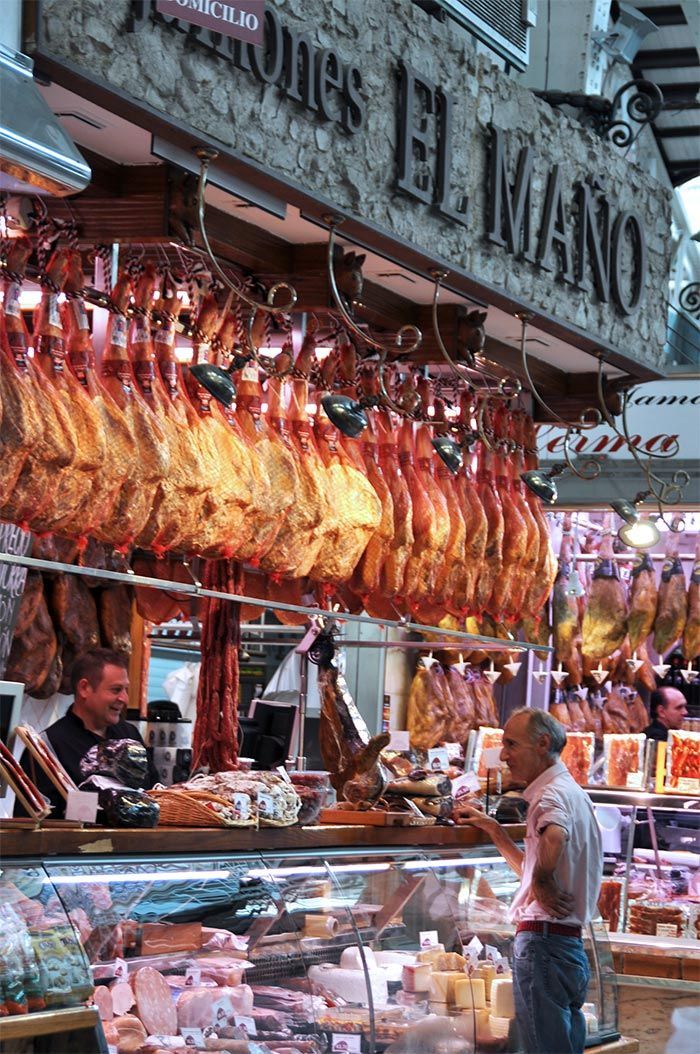
- Central Bar. Ricard Camarena’s bar inside the Mercado Central. Stand or sit at the counter mid-morning and order a sandwich and a few small plates made with what the stalls around you are selling. It is a natural stop after the market.
- Habitual. Ricard Camarena again, inside the modernist Mercado de Colón in the Ensanche. Relaxed and good for lunch; ask for the rice of the day and the vegetable dishes.
- Canalla Bistro. Ricard Camarena’s small-plates restaurant, with flavors from well beyond Spain. Lively and easy for groups of friends who like to share.
- Llisa Negra. Quique Dacosta’s restaurant of fish and fire in the Ensanche. Order whatever came in from the boats, cooked over the grill, and a rice to finish.
- Vuelve Carolina. Quique Dacosta’s tapas bar in the city center. Inventive small plates and a good wine list, ideal for a late, informal dinner.
Rice and paella
- Casa Carmela. On the Malvarrosa beachfront, cooking paella over orange wood since the 1920s. Order the paella valenciana, book well ahead and come at lunch; this is the Sunday rice by the sea at its most traditional.
- La Pepica. A historic rice house on the Paseo de Neptuno, facing the beach. Come for seafood rice, arroz a banda or arroz negro, and the sense of a place that has fed Valencians for generations.
- Casa Roberto. A classic city rice restaurant in the Ensanche. Useful when you want a serious paella without leaving the center; ask what rices they are cooking that day.
- Navarro. A rice restaurant a few steps from the Plaza del Ayuntamiento. Practical and central, good after a morning in the old town.
For paella at its source, go south to El Palmar, a village on an island in the Albufera lagoon, surrounded by rice fields. Nearly every house seems to be a restaurant, and quality varies a great deal. The best are run by families of arroceros who still cook over wood. Lunch here is best combined with a private Albufera boat tour, or with a private paella class with our Local Hero, the arrocero of El Palmar.
How to choose in El Palmar: look for a family-run house that cooks every rice to order, ideally over wood, and warns you it will take twenty minutes or more. A short menu of rices and a dining room full of Valencian families at Sunday lunch are better signs than a terrace with photographs of every dish.
Taverns and almuerzo
- Casa Montaña. A historic tavern in El Cabanyal, open since 1836. Come for wine by the glass and small plates of tinned and cured seafood, local vegetables and the dishes of the day, at the bar or at a table.
- Bodega La Pascuala. El Cabanyal’s temple of almuerzo. Arrive mid-morning and order one of the enormous bocadillos with a beer or a coffee, the way the neighborhood does.
Horchata and fartons
- Horchatería Santa Catalina. A historic horchatería in the old town, with tiled walls and fartons made for dipping.
- Horchatería El Siglo. Across the square from Santa Catalina, with just as long a history; locals have their favorite.
- Horchatería Daniel. In Alboraya, the town of the tiger nut fields, just north of the city. Worth the short drive for horchata where it is grown.
Where to eat in Valencia, neighborhood by neighborhood
Ciutat Vella and the Central Market
The old town has the widest choice and the widest range of quality. The streets around the Central Market and the cathedral are full of terraces aimed at visitors, but a few steps away are bars where locals stand for a vermouth and a plate of something good before lunch. Inside the market, Central Bar is the counter to know; nearby, Vuelve Carolina works for an informal evening, Navarro for rice and Lienzo and Sucede for a tasting menu. The horchaterías Santa Catalina and El Siglo face each other a short walk away. This is the territory of our private food tour, which moves from the stalls to the bars that locals actually use.
El Carmen
El Carmen, the old walled quarter around the Torres de Serranos and the Torres de Quart, is bohemian and lively, with narrow streets, street art and small restaurants that come and go. It is better for an informal dinner and a drink than for a grand meal.
The best approach here is to wander: walk the streets around the Plaza del Tossal and the Torres de Serranos, have a drink where locals are standing, and keep dinner simple. For a more dependable table, Vuelve Carolina and Central Bar are a short walk away in the center.
Ruzafa
Ruzafa, just south of the old town, is where much of the city’s new cooking happens. It is a neighborhood of young chefs, natural wine bars, coffee roasters and creative small plates, built around its own municipal market. Evenings here are relaxed and local. La Salita and Fierro are the tasting-menu tables; Canalla Bistro is the easy, shared dinner.
The Ensanche
The elegant grid of the Ensanche, east of the old town, is where Valencia’s business lunches and traditional fine restaurants live. Expect polished service, long wine lists and classic cooking. Riff is the grown-up dinner, Llisa Negra the fish, Habitual the relaxed lunch inside the Mercado de Colón and Casa Roberto the rice.
El Cabanyal and the seafront
The old fishermen’s quarter of El Cabanyal, with its tiled houses, and the seafront of Las Arenas and La Malvarrosa are the natural home of rice dishes and seafood. The promenade has many places built for visitors; the better rice houses have been cooking for generations. This is where Valencians come for Sunday lunch by the sea: Casa Carmela and La Pepica for rice, Casa Montaña for a glass of wine and something from the sea, and Bodega La Pascuala for the mid-morning almuerzo.
Beyond the center
Two of the city’s serious tables sit outside the tourist map: Ricard Camarena Restaurant in Marxalenes and Kaymus in the northern districts. Your driver makes them as easy as anywhere in the old town. To the north, Horchatería Daniel in Alboraya is a classic afternoon stop.
What to order
Rice dishes
- Paella valenciana. Chicken, rabbit, flat green beans (ferraura) and garrofó (large white lima beans), with saffron and rosemary. No seafood, no chorizo.
- Arroz a banda. Rice cooked in a rich fish stock, served with alioli. A fishermen’s dish.
- Arroz negro. Black rice with cuttlefish and its ink, also served with alioli.
- Arroz del senyoret. Seafood rice with everything already peeled, the “gentleman’s rice.”
- Arroz al horno. Oven-baked rice with pork, chickpeas and black sausage, a winter dish from the city’s homes.
Beyond rice
- All i pebre. Eel stewed with garlic, paprika and potatoes, the classic dish of the Albufera.
- Esgarraet. Roasted red pepper and salt cod, dressed with olive oil and garlic.
- Tellinas. Tiny wedge clams, cooked simply with garlic and parsley.
- Valencian tomatoes in summer, dressed with nothing more than salt and oil.
- Horchata and fartons in the afternoon, ideally in Alboraya, at the edge of the tiger nut fields.
Wine
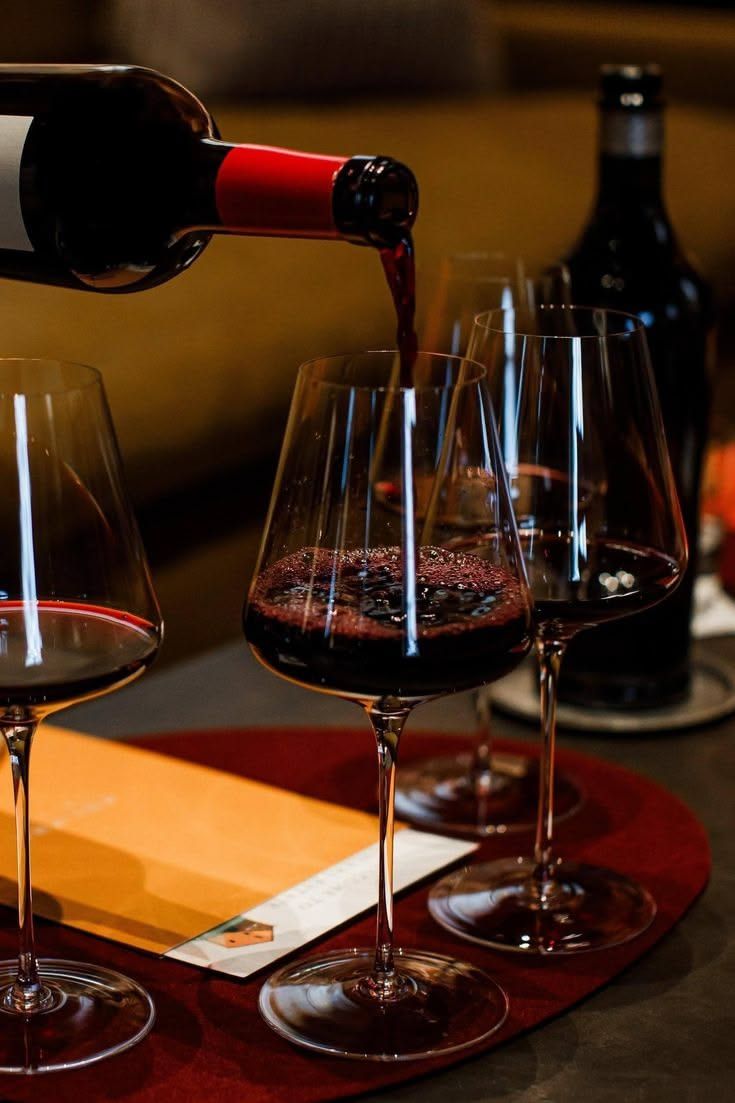
Ask for local wine. The Bobal of Utiel-Requena, the whites of the Valencia region and the sweet Moscatel of the Marina Alta are all served with pride. For the source, see our private wine tour.
How to judge a paella
A few signs of a serious paella:
- It is cooked to order, usually for at least two people, and takes 20 to 30 minutes. If it arrives in five, it was not made for you.
- The layer is thin. A proper paella is wide and shallow, with the rice no more than a finger deep.
- The rice is loose, not creamy. Each grain should be separate and firm. Creamy rice is a different dish (arroz meloso), and good in its own right.
- There is socarrat. The thin, toasted crust at the bottom of the pan is prized. Scrape it with your spoon.
- It is not yellow. A bright yellow paella usually means food coloring, not saffron.
- It is served in the pan, and Valencians often eat straight from it.
There is no shame in ordering seafood paella or other rice dishes; just know what you are ordering.
Booking and etiquette
- Book ahead for any restaurant you care about, especially for Sunday lunch and weekend dinners. Rice for groups often has to be ordered in advance.
- Ask what is in season and what the kitchen recommends. In good restaurants, the answer is the best part of the menu.
- The menú del día at lunch on weekdays is how many Valencians eat out: a fixed menu at a fair price. It can be excellent.
- Tipping is appreciated but modest; service is not usually added to the bill.
- Take your time. Nobody will bring the bill until you ask for it. That is courtesy, not neglect.
Putting it together
The best way to eat in Valencia is to plan the days around the meals: the market in the morning, rice at lunch, a rest, and dinner late. Our four-day journey is built that way. For what to do between meals, see our guide to things to do in Valencia.
Your Private Valencia travel designer can reserve the right tables for your dates, from the counter at Central Bar to a tasting menu at the end of the trip, and tell you exactly what to order when you sit down. Longer stays leave room for more of this list, and for a lunch on the coast: see our five-day journey.