There are two ways to see Valencia. One is the checklist: the cathedral, the futuristic museums, a paella somewhere near the beach. The other is the way Valencians live it: a morning at the market, a long lunch of rice, a walk through the old riverbed, an evening by the sea. This guide to the best things to do in Valencia is written for the second kind of traveler. It is not exhaustive. It is what we would tell a friend.
Valencia is Spain’s third city, but it feels smaller. The historic center is walkable, the beach is a short ride away, and within an hour you can be in rice fields, vineyards or mountain villages. That is its great gift: city, country and sea in a single day, without hurry.
In the old town
Walk Ciutat Vella early
The old town, Ciutat Vella, is at its most beautiful before ten in the morning, when the squares are being swept and the cafés are opening. Start at the Plaza de la Virgen, with the cathedral, the Basilica of the Virgin of the Forsaken and the Turia fountain. From there, the streets lead to the Plaza Redonda, the Silk Exchange and the Central Market, all within a few minutes of each other.
A private guide makes the difference here. The old town is layered (Roman, Moorish, Gothic, Baroque), and much of what matters is in the details: a carved doorway, a medieval inscription, a square that was once a Roman forum.
See the Holy Grail in the cathedral
Valencia Cathedral keeps a stone chalice venerated as the Holy Grail, in a side chapel of its own. Whatever you believe, the chapel is quietly moving. If your knees allow, climb the Miguelete, the cathedral’s bell tower, for a view over the rooftops to the sea.
On Thursdays at noon, outside the cathedral’s Apostles’ Door, the Water Tribunal meets to settle disputes over irrigation in the farmland around the city, as it has for centuries. It is short, spoken in Valencian and unlike anything else in Europe.
Stand inside La Lonja
The Silk Exchange, La Lonja de la Seda, is a UNESCO World Heritage Site and one of the finest Gothic civil buildings in Europe. The Hall of Columns, with its twisted pillars rising like palm trunks into the vaults, is the reason to go. Ten quiet minutes there is enough.
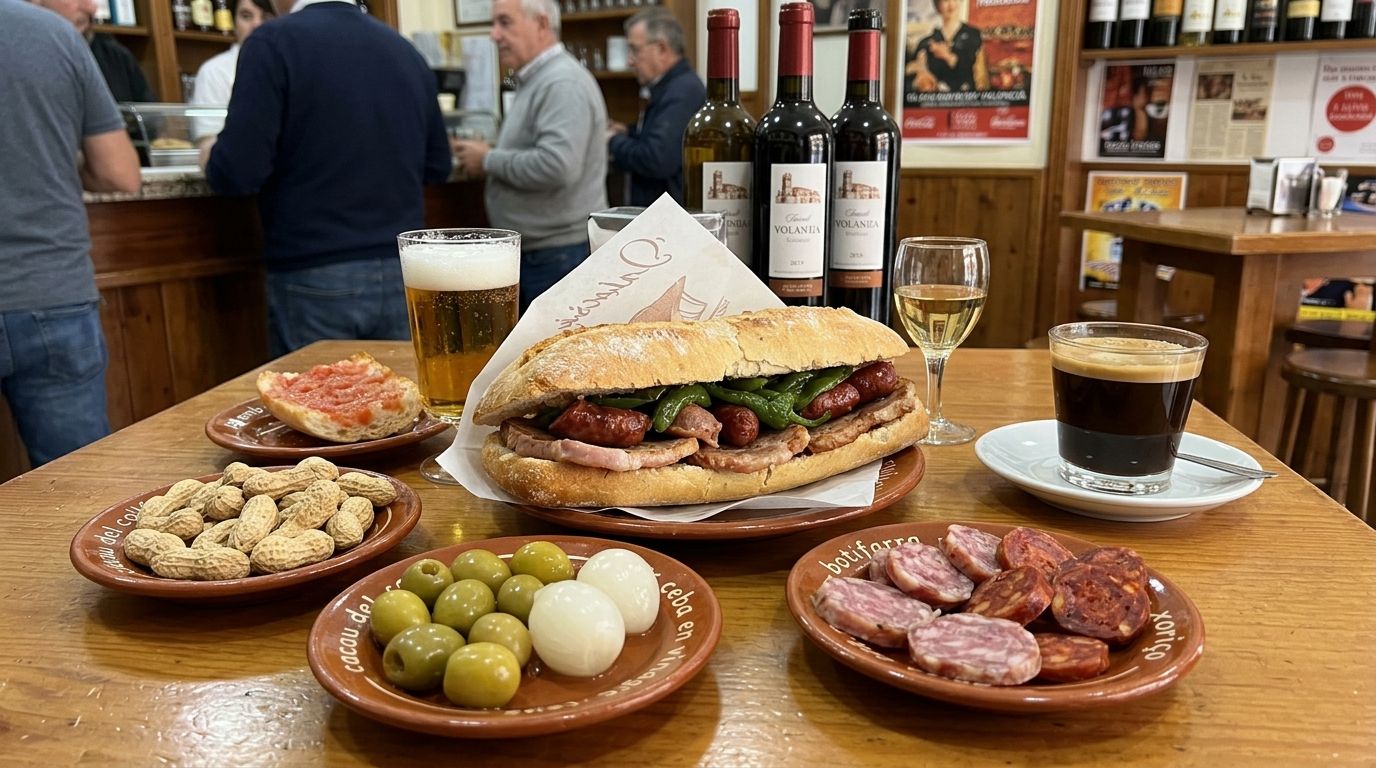
Eat and drink like a Valencian
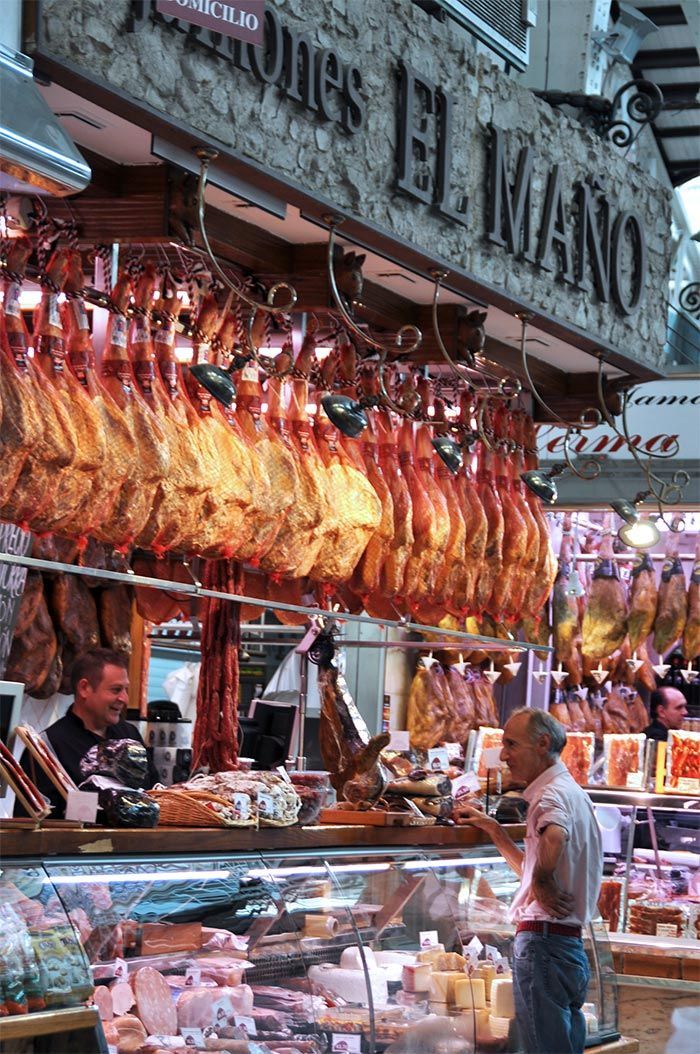
Start at the Central Market
The Mercado Central is one of Europe’s great food markets, housed in a modernist building of iron, glass and tile. Go in the morning, when it is busiest with locals, and let the stalls set the agenda: tomatoes in summer, artichokes in winter, citrus from November, fish from the morning’s boats. The market is the natural beginning of a private food tour that continues through the bars of the old town.
Order horchata and fartons
Horchata is a cold drink made from tiger nuts grown in the farmland north of the city. It is sweet, milky and very Valencian, and it is served with fartons, long soft pastries made for dipping. The traditional place to drink it is in Alboraya, at the edge of the fields, at Horchatería Daniel. In the old town, Horchatería Santa Catalina and Horchatería El Siglo face each other near the Plaza de Santa Catalina, and locals have their favorite.
Eat paella where it was born
Paella comes from the rice fields south of the city, around the lagoon of the Albufera. The real Valencian paella is made with chicken, rabbit, green beans and garrofó beans, cooked over a wood fire and eaten at lunch, never at dinner. The village of El Palmar, on the edge of the lagoon, is the place to taste it, or to learn to make it at a private paella class with a local arrocero. In the city, Valencians go to the beachfront for Sunday rice, at Casa Carmela on the Malvarrosa or La Pepica on the Paseo de Neptuno. For more on where and how to eat rice, see our guide to the best restaurants in Valencia.
Book one great dinner
Valencia has become one of Spain’s most exciting cities for fine dining, with a cluster of Michelin-starred kitchens and a generation of young chefs cooking with the produce of the region. Ricard Camarena Restaurant, in the Bombas Gens arts center, and El Poblet, Quique Dacosta’s table in the center, are two of the Michelin-starred names to know. For something more relaxed from the same chefs, try Central Bar in the Central Market or Vuelve Carolina. Our page on the chef’s table covers the whole fine-dining scene and how we book it.
Gardens, architecture and the sea
Walk or cycle the Turia gardens
After a catastrophic flood in 1957, the river Turia was diverted south of the city. Its old bed became a garden nine kilometers long, crossing the city under its old bridges. Locals run, cycle, picnic and play football there. It is the most pleasant way to move between the old town and the City of Arts and Sciences.
See the City of Arts and Sciences
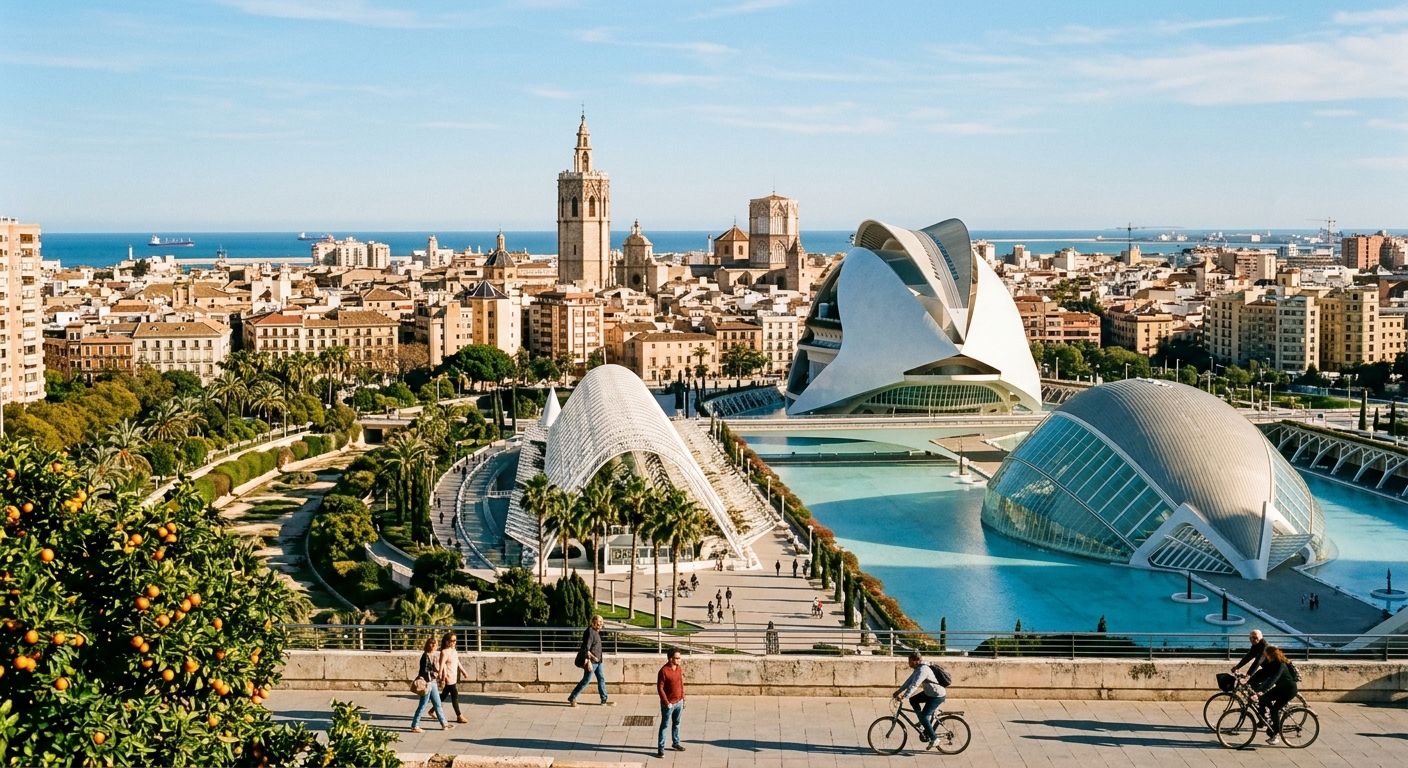
At the end of the Turia gardens stands the City of Arts and Sciences, the white complex designed mostly by the Valencian architect Santiago Calatrava. It is best seen from outside, at sunset or at night, when the buildings are reflected in their pools. Inside, the Oceanogràfic is the largest aquarium in Europe and a good choice with children.
Spend an evening by the sea
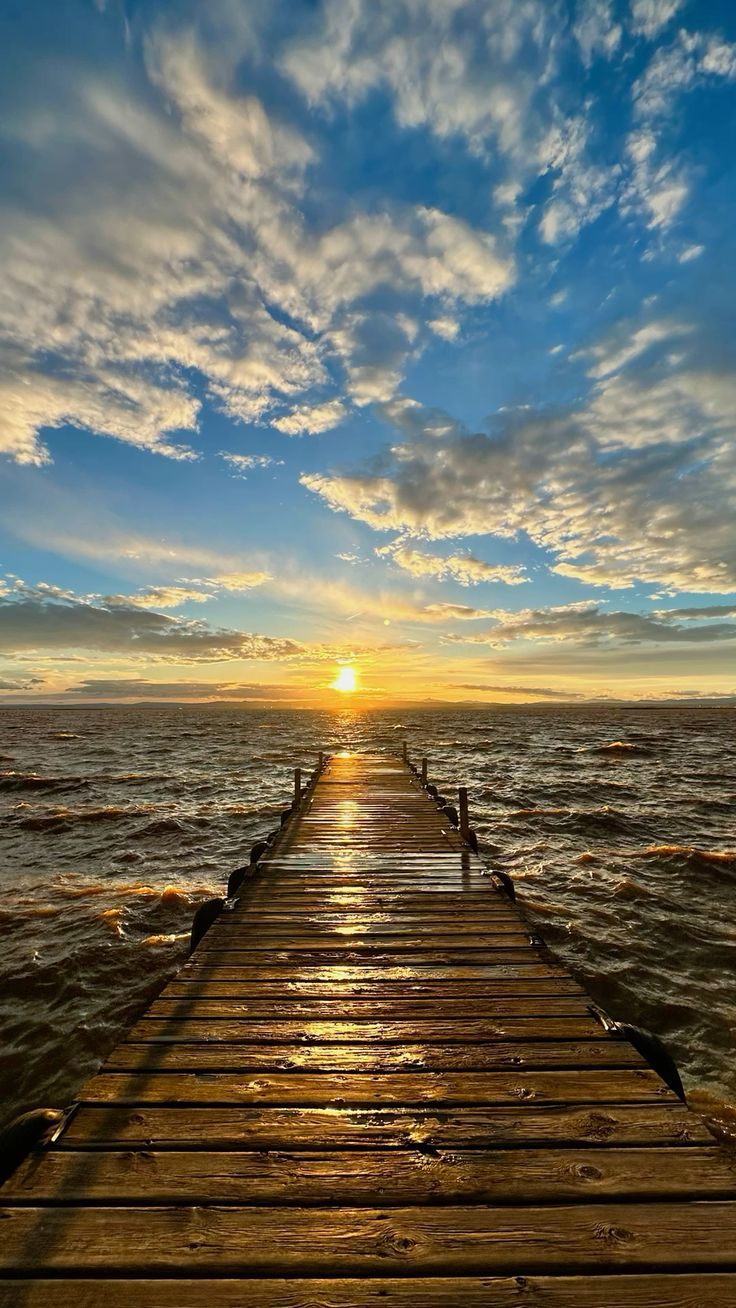
The beaches of Las Arenas and La Malvarrosa begin where the old fishermen’s quarter of El Cabanyal ends. El Cabanyal, with its low houses faced in colored tiles, is one of the most characterful neighborhoods in the city. An evening walk along the seafront, then dinner nearby, is a very Valencian way to end the day. To go further, a private boat from the marina at sunset turns the coastline into a view.
Beyond the city
The Albufera at sunset
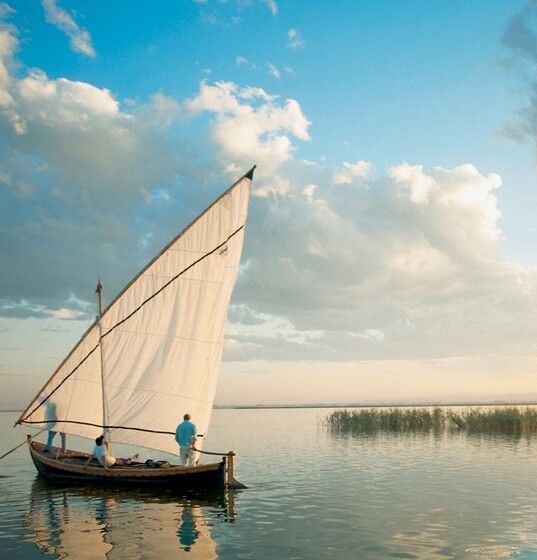
Twenty minutes south of the city, the Albufera is a freshwater lagoon surrounded by rice fields and protected as a natural park. At sunset, from a traditional flat-bottomed boat, the water turns gold and pink and the herons come home. A private Albufera boat tour is one of the simplest and most memorable things to do near Valencia.
Wine country in Utiel-Requena
An hour inland, the plateau of Utiel-Requena is one of the oldest wine regions in Spain, home to the Bobal grape. Family wineries, old cellars dug under the medieval town of Requena, and long lunches among the vines make for a full day. Our private wine tour is built around the people who make the wine.
The Costa Blanca
South of Valencia, the coast turns rocky and dramatic. Altea, Jávea and Dénia are each a comfortable day trip: white villages, clear coves and some of the best seafood in Spain.
How to fit it together
How many days do you need?
Three days is enough to see the old town, eat well and spend an afternoon in the Albufera. Four days lets you add wine country or the sea without rushing, which is why our four-day journey is the one we recommend most often. Five days allow a day or two on the Costa Blanca and a slower rhythm throughout; see our five-day journey.
When to go
Valencia is pleasant most of the year, but the finest months are October to early December and late February to May. In March, the city is taken over by the Fallas, which is extraordinary and very crowded; read our Fallas guide before you decide. For month-by-month detail, see the best time to visit Valencia.
Where to stay
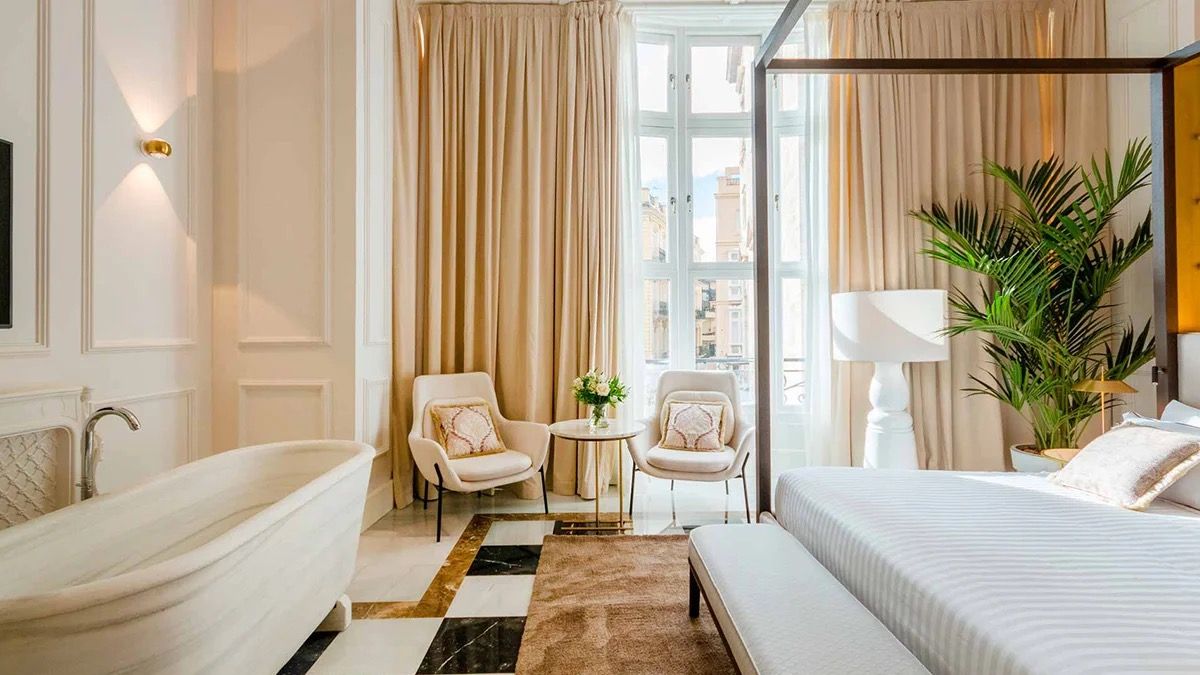
Most first-time visitors are happiest in or near the old town, within walking distance of the cathedral and the market. Our guide to where to stay in Valencia explains each neighborhood and who it suits.
A few local habits
- Lunch is the main meal and starts around two; dinner rarely before nine.
- Many shops close in the afternoon, and some restaurants close on Sunday evening and Monday.
- Valencian and Spanish are both official languages; street signs often use Valencian names.
- The old town is best on foot. For everything beyond it, a private driver saves time and energy.
If you would like help shaping these into a journey, your Private Valencia travel designer can build the days around how you like to travel, with the right tables, the right guides and time to do nothing at all.