Most visitors think of Valencia as a summer city. Locals know better. Valencia in winter is bright, mild and calm: lunch outdoors in the sun, oranges heavy on the trees, the old town returned to the people who live in it, and restaurants full of Valencians rather than visitors. For travelers from the United States and the United Kingdom, it is one of the easiest and most rewarding winter escapes in Europe. This guide explains what to expect from December to February, and how to make the most of it.
What is the weather like in Valencia in winter?
Valencia has one of the mildest winters in mainland Spain. Days are often clear and sunny, and at midday it is regularly warm enough to sit outside in a sweater. Mornings and evenings are cool, and nights can be chilly, but frost in the city is rare.
| Month | Average high | Average low | What it feels like |
|---|---|---|---|
| December | 17 °C / 63 °F | 7 °C / 45 °F | Mild, festive, short bright days |
| January | 16 °C / 61 °F | 6 °C / 43 °F | Crisp mornings, warm middays |
| February | 17 °C / 63 °F | 7 °C / 45 °F | Longer days, almond blossom inland |
Rain is infrequent, though a grey or windy day can arrive. The sea is too cold for most people to swim, but perfect for a long walk on the beach.
What to pack
Layers. A light coat or a warm jacket for the evening, a sweater for the day, comfortable shoes for the cobbles, and sunglasses: you will want them at lunch. Most Valencian homes and some older buildings are built for heat rather than cold, so a warm layer indoors is useful too.
The citrus season
Winter is the season of oranges. The groves around Valencia, in the farmland of L’Horta and along the coast, are full of fruit from late autumn, and the mandarin and orange harvest continues through the winter. You will see the trees heavy with fruit from the car as you leave the city.
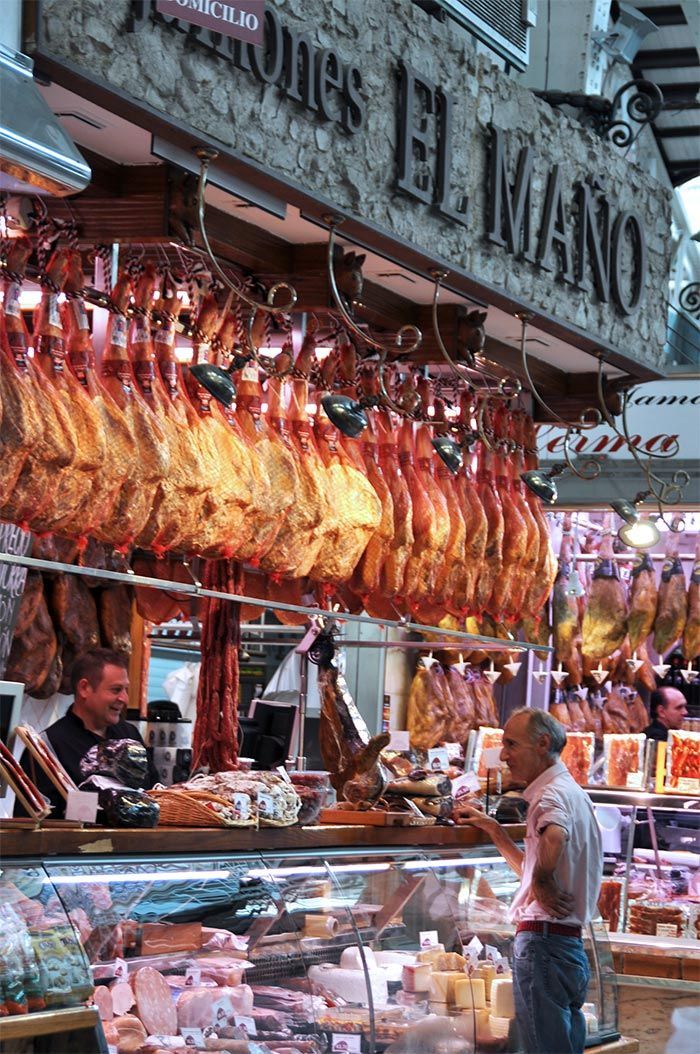
This is when the juice at breakfast tastes of the place, when market stalls are piled with mandarins with their leaves still on, and when pastry kitchens bake with candied peel. In the Mercado Central, the citrus stalls are at their most colorful. Our private food tour moves through the market and the bars around it, tasting what is in season.
Winter at the table
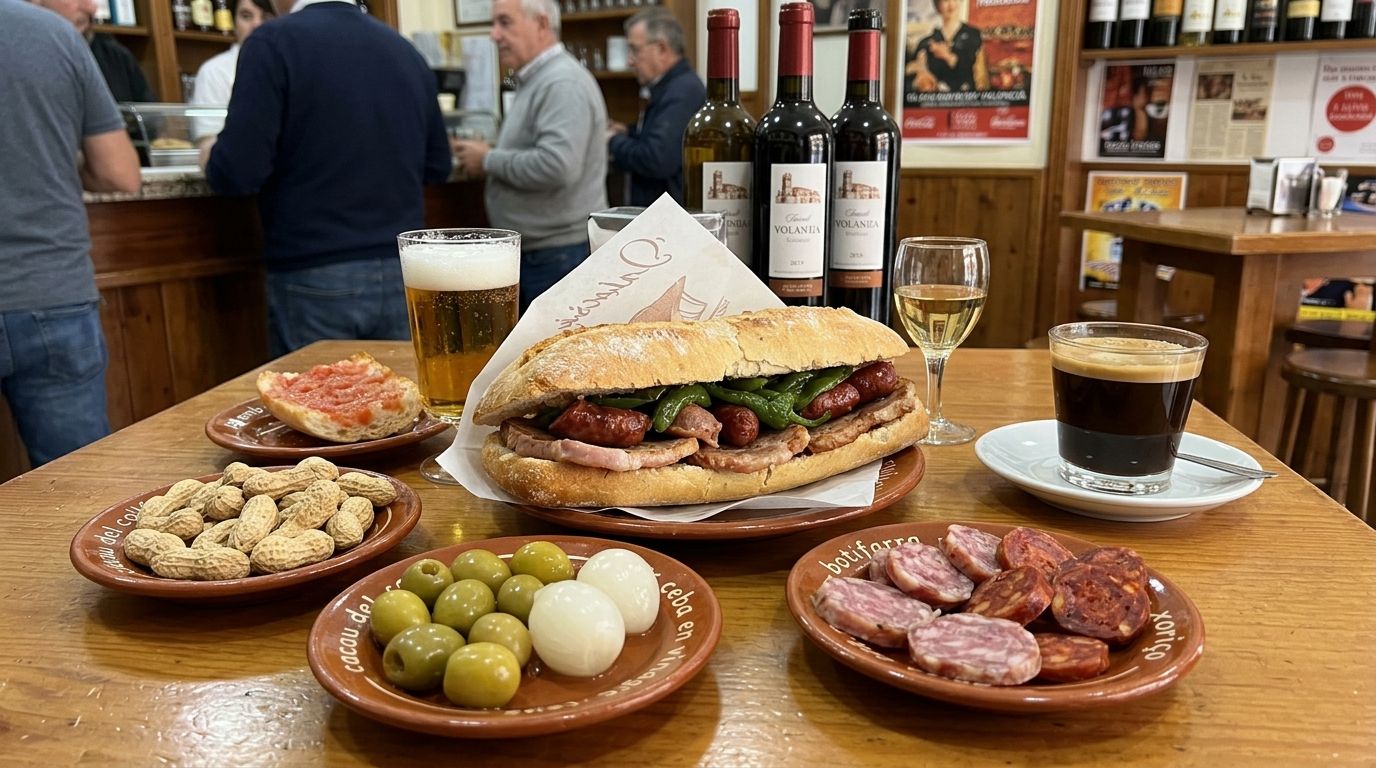
Winter is when Valencian cooking is at its most generous. Menus turn to:
- Arroz al horno, baked rice with pork, chickpeas and morcilla.
- Puchero, a slow stew of meats and vegetables, often followed by a rice made with its broth.
- Artichokes from the farmland around the city, grilled, fried or in rice.
- All i pebre, the eel stew of the Albufera.
Restaurants are full of locals at weekend lunch, and booking ahead remains wise. For tables to know, see our guide to the best restaurants in Valencia.
Christmas and Three Kings in Valencia
Spain celebrates Christmas over a long season, from early December to 6 January.
December
The city lights up in early December, and the Plaza del Ayuntamiento usually hosts a Christmas market and decorations. Nativity scenes, or belenes, appear in churches and public buildings. Pastry shops fill with turrón, the almond nougat from Xixona in the province of Alicante, and polvorones.
The main family meal is on Christmas Eve, Nochebuena. On New Year’s Eve, Spaniards eat twelve grapes on the twelve strokes of midnight, one for each month of the coming year.
Three Kings
For Spanish families, the great day is 6 January, Epiphany. On the evening of 5 January, the Three Kings parade through the center throwing sweets to the crowds, and the next morning children open their presents. The traditional cake is the roscón de Reyes, a ring of sweet bread with candied fruit and a hidden figurine.
Practical notes
Some restaurants and shops close on 25 December, 1 January and 6 January, and some close for a holiday in early January. We plan around these dates.
What to do in Valencia in winter
Walk the old town
Winter is the best season for the old town. The cathedral, the Silk Exchange and the narrow streets of El Carmen are calm, the light is low and golden, and you can stop for coffee in the sun. A private guide makes the most of it. Our guide to things to do in Valencia covers the essentials.
Go to the Albufera
After the rice harvest, many fields around the Albufera are flooded for the winter, and the lagoon fills with birds. Sunsets come early, around 6 pm, which makes a private boat at sunset easy to fit before dinner. Our guide to the Albufera explains the lagoon in every season.
Ride or walk the Turia
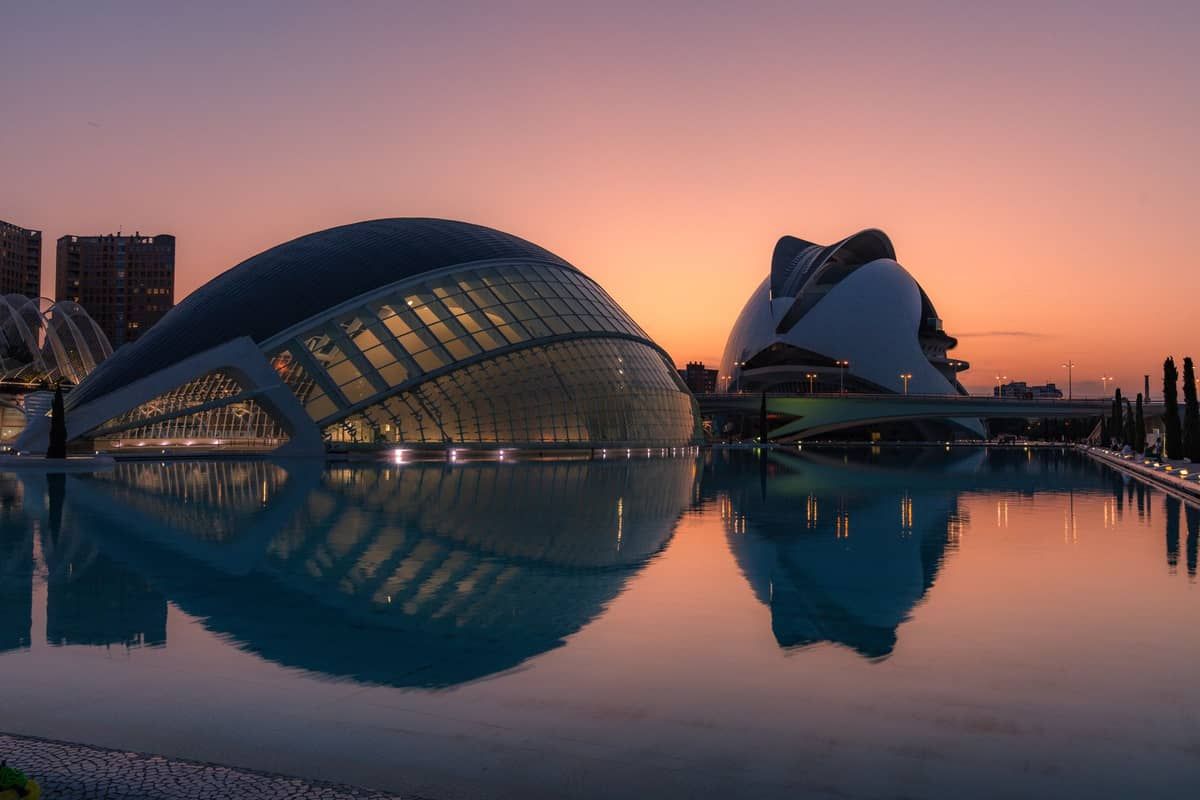
The old riverbed of the Turia, now a nine-kilometer garden, is at its best on a sunny winter morning, and leads all the way to the City of Arts and Sciences.
Drive into the country
Inland, the almond trees blossom from late January into February, covering the hills in white and pink. The cellars of Utiel-Requena are quiet and welcoming after the harvest.
The coast out of season
The Costa Blanca is calm and beautiful in winter. A day in Altea, with its white old town above the sea, is easy and unhurried when the summer crowds have gone.
Look ahead to the Fallas
Late February brings the first sign of spring: the Crida, the opening ceremony of the Fallas, at the Torres de Serranos. The festival itself fills the city in March. See our guide to the Fallas.
Why Valencia in winter suits travelers from the US and UK
- The contrast. When London is grey and New York or Chicago are frozen, Valencia offers sun and lunch outdoors.
- The calm. Fewer visitors, quieter streets, easier tables and more attentive service.
- The time difference. Valencia is one hour ahead of the UK and six hours ahead of New York, so the journey is short or, from the US, a manageable overnight flight.
- Easy flights. Valencia airport has direct flights from several UK airports; from the US, the usual route is through Madrid or another European hub.
- The value of the season. Hotels are quieter outside the Fallas, and the best rooms are easier to secure.
How to plan a winter trip
Four or five nights is ideal: two or three days in the city, one at the Albufera, and one in the country or on the coast. Our four-day journey in Valencia adapts naturally to the season, with long lunches at its center and early sunsets on the water. For a comparison of every month, see the best time to visit Valencia.