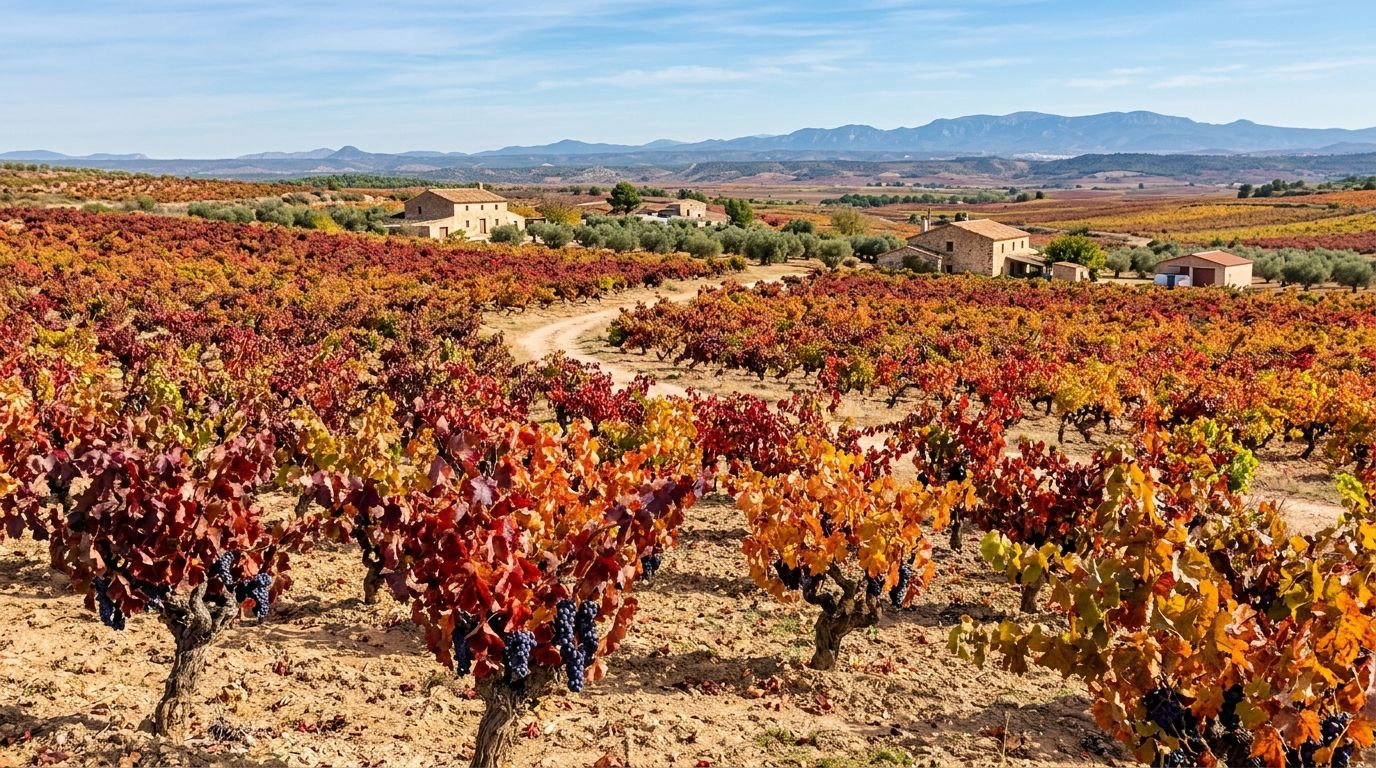
An hour west of Valencia, the road climbs from the coast onto a high plateau of vineyards, almond trees and red earth. This is Utiel-Requena, Valencia’s largest wine region and the home of a grape few travelers know: Bobal. Utiel-Requena wine has changed a great deal in a generation, from bulk wine sold in barrels to serious, characterful reds, fresh rosés and sparkling wines. This guide explains the region, its grape and its cellars, and how to visit them well from the city.
The Utiel-Requena DO
Utiel-Requena is a Denominación de Origen, a protected wine region with its own rules and regulatory council. It takes its name from its two main towns, Utiel and Requena, and covers a group of villages on the plateau between the Valencian coast and the Castilian meseta.
Climate and land
The vineyards lie at around 600 to 900 meters above sea level. The climate is continental with a Mediterranean touch: hot days and cool nights in summer, cold winters with frost, and little rain. The big swing between day and night temperatures keeps freshness in the grapes, and the poor, chalky and clay soils keep yields low.
It is a region of family growers. Many families still own a few plots each, and for decades sold their grapes to cooperatives. Today, a growing number of small estates bottle their own wine, and some of the most interesting cellars in eastern Spain are here.
Bobal: the grape of the plateau
Bobal is a red grape native to this part of Spain, and it covers the large majority of the region’s vineyards. Many of the vines are old, gnarled bush vines, some planted generations ago, and they give small yields of concentrated fruit.
For years Bobal was used for strong, dark wines sold in bulk. Today winemakers pick it earlier and handle it more gently, and the results are a revelation: deep in color, fresh in acidity, with flavors of dark cherry, blackberry and herbs, and a firm, slightly rustic structure that loves food.
The styles
- Rosado. Bobal makes vivid, fresh rosés, one of the region’s traditional strengths.
- Young reds. Juicy, fruity and easy to drink, made to be enjoyed within a year or two.
- Old-vine and single-vineyard reds. The most ambitious wines, often aged in oak or clay, with depth and the ability to improve for years.
Other grapes grown here include Tempranillo, Garnacha, and international varieties, as well as white Macabeo and Tardana.
Cava from Requena
Few people know that some cava, the Spanish sparkling wine made by the traditional method, comes from Valencia. The municipality of Requena is one of the places outside Catalonia authorized to produce cava, and several local cellars make it.
Requena cava is usually made from Macabeo and Chardonnay, and its freshness owes much to the altitude. A glass on a cellar terrace is the natural start to a tasting.
The underground cellars of Requena
The old town of Requena, known as La Villa, sits on a rocky hill above the newer town. Beneath its streets runs a network of underground caves, dug over centuries and used to store wine, oil and grain. Some of these caves can be visited, and they explain better than any tasting how long wine has shaped life here.
Above ground, La Villa is a quiet maze of medieval streets, churches and stone houses. The town also has a wine museum in a historic building in the old quarter.
The harvest
The grape harvest usually begins in September and runs into October, depending on the year and the plot; Bobal, which ripens late, is often among the last grapes picked.
Requena celebrates the season with its Fiesta de la Vendimia, one of the oldest harvest festivals in Spain, usually held in late August and early September. It is a joyful local festival, with parades, music and wine, and a good reason to plan a late-summer visit.
Each season has its own character. Harvest is the liveliest. Winter, after the work is done, is calm and intimate. Spring brings new green growth on the vines and the release of the young wines. For the region’s calendar in context, see the best time to visit Valencia.
How to visit Utiel-Requena
Getting there
Requena is about 70 kilometers west of Valencia, around an hour by car on the A-3 motorway. Trains also run from Valencia, but cellars are spread across the countryside, so a driver makes the day far easier and lets everyone taste.
How long to stay
A full day is ideal: one or two cellars, lunch, and a walk through La Villa in Requena. Wine lovers can stay a night on the plateau and add a second day.
Booking ahead
Most cellars are family businesses, not visitor centers. Visits must be arranged in advance, and the most interesting estates receive guests only by appointment.
What to expect at a cellar
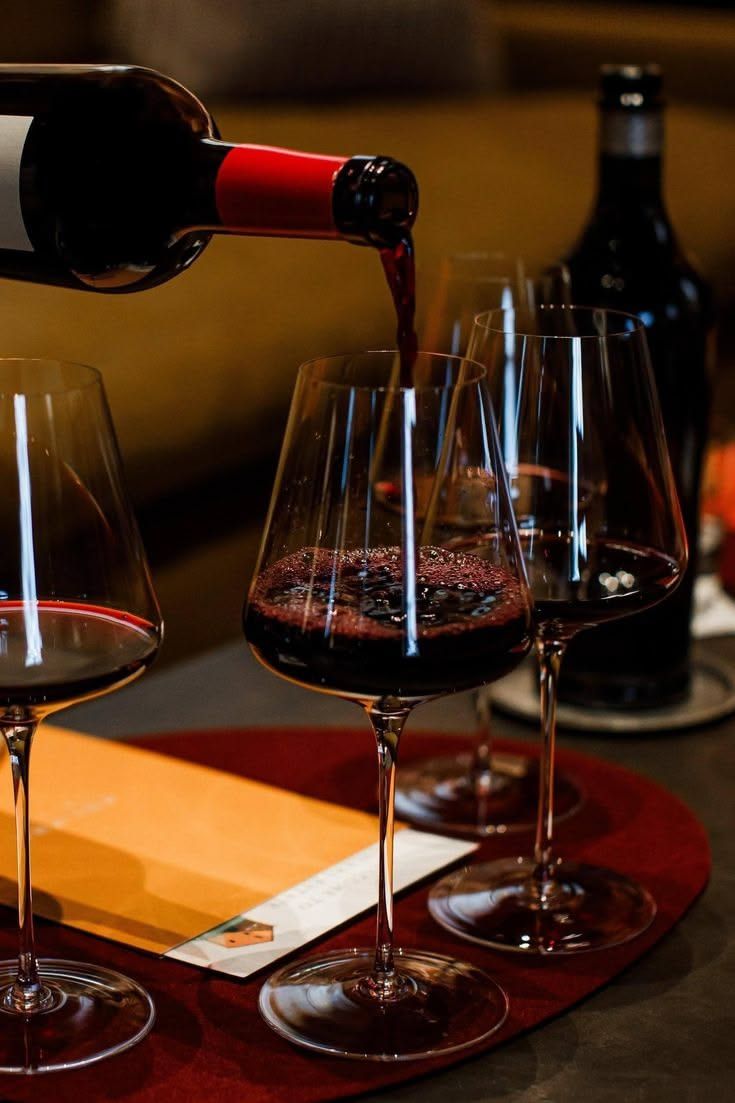
A walk through the vineyard, a look at the old bush vines, the cellar and the barrels, and a tasting of several wines, often with local cheese, cured meats and bread. The best visits are led by the people who make the wine.
Our wine day in Utiel-Requena
On our private wine tour in Utiel-Requena, a driver collects you in Valencia and takes you up to the plateau. You spend the day with our winemaker from Utiel-Requena, a Local Hero who grows Bobal on family land: you walk the vines, taste from the barrel and sit down to a long country lunch. In the afternoon, there is time for the old town of Requena before the drive back to the city.
The wine day is part of our five-day journey in Valencia, which also travels to the Albufera and the Costa Blanca. If you want to taste Valencian wine with Valencian cooking, our chef’s table includes a wine pairing, and our guide to the best restaurants in Valencia lists the city’s tables to know.
Frequently asked questions
What does Utiel-Requena wine taste like?
The reds, mostly from Bobal, are deep in color, fresh and fruity, with dark berries, herbs and a firm structure. The rosés are bright and lively.
Is Utiel-Requena worth a day trip from Valencia?
Yes. It is an hour away, the landscape is completely different from the coast, and the wines are among the most distinctive in eastern Spain.
When is the best time to visit?
Harvest time, from September into October, is the liveliest. Spring and autumn are the most comfortable for walking in the vineyards.